
 Home
 (647) 779-5798
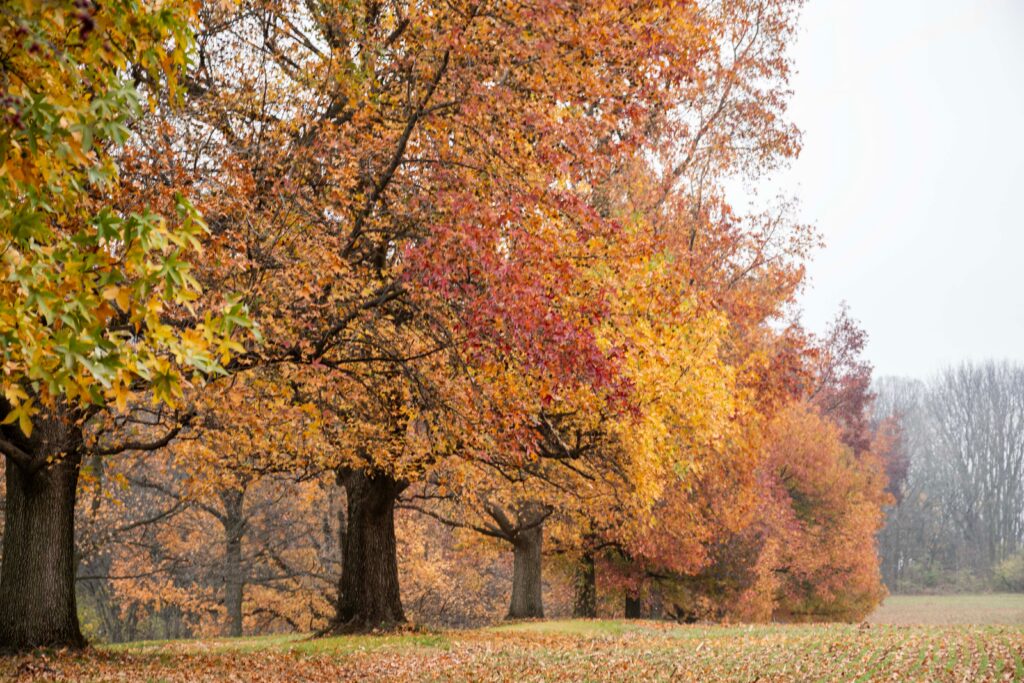
October is a great time to improve your landscape by planting new trees and shrubs. While many homeowners start thinking about putting their gardens to bed for winter, fall is actually one of the best times to get new plants in the ground. Cooler temperatures, more regular rainfall, and warm soil create ideal conditions for many trees and shrubs to establish their roots before winter arrives.
Planting in October can also help your landscape get a head start on spring. Instead of waiting until the weather warms up, you can give your new plants several months to settle in and prepare for the growing season ahead.
Whether you want to add privacy with evergreen shrubs, plant a shade tree, or improve your home’s curb appeal, fall planting has plenty of benefits. Here’s why October is such a good time to plant trees and shrubs, along with some practical tips to help your new plants thrive. And for those who don’t want to do it themselves, check out the professionals!
Why Is October a Good Time to Plant Trees and Shrubs?
October offers several advantages for planting in Ontario. The weather is generally cooler, the soil often holds enough warmth for root growth, and plants don’t have to deal with the same heat and drought stress they might experience during summer.
1. Cooler Temperatures Reduce Plant Stress
Summer heat can make it difficult for newly planted trees and shrubs to establish themselves. When temperatures are high, plants lose more moisture through their leaves and need more water to stay healthy.
October’s cooler weather reduces this stress. With less heat and generally lower evaporation, newly planted trees and shrubs can focus more energy on establishing their roots instead of coping with hot, dry conditions.
This makes fall a practical time to add plants to your yard without having to worry as much about intense summer heat.
2. Warm Soil Encourages Root Growth
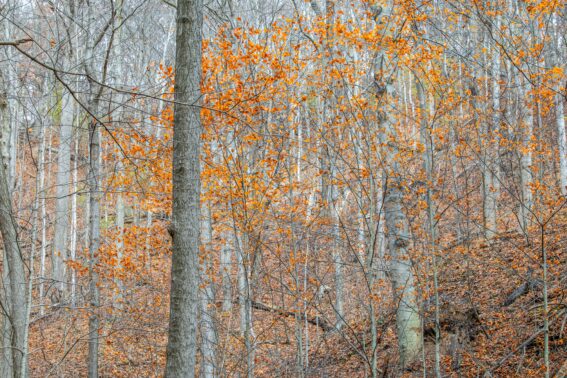
Even when the air starts getting chilly, the soil can remain relatively warm in October. This gives tree and shrub roots an opportunity to grow before the ground freezes.
Strong roots help plants absorb water and nutrients, anchor themselves in the soil, and prepare for the demands of spring growth.
Planting early enough in October gives roots more time to settle in before winter. However, the best planting window depends on the weather, the condition of the soil, and the type of plant you’re adding to your landscape.
3. Fall Rainfall Can Make Watering Easier
October often brings more comfortable conditions for new plants than the hot summer months. Rainfall can help keep the soil moist, reducing how often you need to water.
However, don’t assume that cooler weather means your trees and shrubs won’t need extra water. Newly planted roots still need consistent moisture, especially during dry periods.
Check the soil regularly and water when needed. The goal is to keep the root zone moist without leaving it waterlogged.
4. Plants Can Get a Head Start on Spring
One of the biggest benefits of planting trees and shrubs in October is that they have time to establish their roots before the next growing season.
When spring arrives, well-established roots can help plants take advantage of warmer temperatures and increasing daylight. This can support healthy new growth once conditions are right.
Fall planting also lets you spread landscaping projects across the year instead of trying to complete everything during the busy spring season.
What Trees and Shrubs Can You Plant in October?
Not every plant is suited to fall planting, but many hardy trees and shrubs can do well when planted early enough to establish their roots before the ground freezes.
Choosing plants suited to Ontario’s climate is especially important. Consider your soil conditions, available sunlight, drainage, and the amount of space each plant will need as it matures.
Trees That Can Be Suitable for Fall Planting
Depending on the species and how they are sold, several hardy deciduous trees can be good choices for October planting.
- Maple trees: A popular option for shade, seasonal colour, and long-term landscape value.
- Oak trees: A strong choice for larger properties with enough room for mature growth.
- Serviceberry trees: Attractive smaller trees that offer spring flowers, colourful berries, and fall foliage.
- Birch trees: Known for their distinctive bark and attractive appearance, although they need suitable moisture and growing conditions.
- Hackberry trees: A hardy option for some Ontario landscapes, particularly where a durable shade tree is desired.
When choosing a tree, consider its mature height and spread, root space, and distance from your home, driveway, walkways, and overhead wires.
Some tree species are more sensitive to fall planting than others. Evergreens and certain other trees may benefit from spring planting, depending on the species and local conditions.
Shrubs That Can Be Suitable for Fall Planting
Shrubs are another great way to improve your landscape in October. They can add privacy, structure, seasonal colour, and visual interest around your home.
Consider options such as:
- Dogwood shrubs: Useful for adding texture and seasonal interest, with some varieties offering colourful winter stems.
- Lilacs: Popular for their fragrant spring flowers, provided the variety and site are suitable.
- Ninebark: A hardy shrub with attractive foliage and peeling bark.
- Spirea: A versatile shrub that can add flowers and colour to garden beds.
- Potentilla: A compact flowering shrub that can work well in sunny locations.
For evergreen shrubs, such as arborvitae, be more cautious. They continue to lose moisture through their foliage during winter, even when the ground is frozen. Spring planting may be a better option for some evergreens, especially in exposed locations.
Before buying, check the plant’s recommended planting window and confirm that it is hardy for your area.
How to Plant Trees and Shrubs in October
Planting in fall doesn’t have to be complicated, but a little preparation can make a big difference. Follow these steps to give your new plants the best possible start.
Step 1: Choose the Right Location
Start by finding a spot that suits the plant’s needs.
Check how much sunlight the area receives, whether the soil drains well, and how much room the plant will have as it grows. Avoid planting trees too close to foundations, underground utilities, fences, or other plants.
If you’re planting shrubs for privacy, consider their mature width and height so they have enough space to fill out naturally.
Step 2: Prepare the Soil
Remove weeds, grass, and debris from the planting area. Dig a hole that is wide enough to accommodate the root ball, ideally around two to three times its width.
The hole should generally be no deeper than the root ball. Planting too deeply can cause problems with root development and the health of the trunk or stems.
Loosen the soil around the sides of the hole, but avoid digging much deeper than necessary.
Step 3: Position the Plant Correctly
Carefully remove the tree or shrub from its container and inspect the roots. Gently loosen any circling roots where appropriate.
Place the plant in the hole so the root flare of a tree, or the top of the root ball for most shrubs, sits at or slightly above the surrounding soil level.
Make sure the plant is straight before filling the hole back in.
Step 4: Backfill and Water Thoroughly
Use the original soil to fill around the root ball. Gently firm the soil to remove large air pockets, but don’t compact it too heavily.
Water thoroughly after planting to settle the soil and provide moisture to the roots.
Avoid adding large amounts of fertilizer or rich amendments directly into the planting hole unless a soil test or specific plant requirements call for them. Your goal is to help roots establish themselves in the surrounding soil.
Step 5: Add a Layer of Mulch
Apply a layer of organic mulch around the base of the tree or shrub. A depth of about 5 to 8 centimetres is generally suitable.
Mulch helps retain moisture, moderate soil temperatures, and reduce weed growth.
Keep mulch a few centimetres away from the trunk or main stems. Piling it against the bark can trap moisture and encourage decay or other problems.
Step 6: Keep Watering Before Winter
Don’t forget about watering once your plants are in the ground.
Check soil moisture regularly throughout the fall. Water deeply when the soil is dry, especially during periods without rain.
Continue watering as needed until the ground freezes, provided the soil is not waterlogged or frozen. Newly planted trees and shrubs can struggle if their roots dry out before winter.
Common Fall Planting Mistakes to Avoid
October planting can be successful, but a few common mistakes can make it harder for new trees and shrubs to survive.
Planting Too Late in the Season
One of the biggest mistakes is waiting until the soil is already freezing or the weather has become consistently harsh.
Plants need time to settle into their new location and establish roots. Aim to plant early enough in October to allow for root development before the ground freezes.
If winter arrives early, consider postponing planting until spring.
Planting Too Deeply
A planting hole that is too deep can bury the root flare and create long-term health problems.
Always check the root ball before planting and make sure the trunk flare is visible at the appropriate soil level.
Forgetting to Water
Cool weather can make the soil appear moist even when the root ball is drying out. Check moisture around the roots rather than relying only on rainfall or the appearance of the surface.
Consistent moisture is especially important during dry autumn periods.
Fertilizing Too Heavily
Newly planted trees and shrubs generally need time to establish their roots rather than a heavy dose of fertilizer.
Excessive or poorly timed fertilization can encourage growth that is not well suited to the approaching winter. Focus on proper planting depth, soil contact, moisture, and mulch instead.
Choosing Plants That Aren’t Suited to the Site
A plant may look great at the garden centre but struggle if it doesn’t suit your yard.
Consider sunlight, drainage, soil conditions, mature size, and winter hardiness before making your selection. Choosing the right plant for the right place is one of the simplest ways to reduce maintenance and improve long-term results.
How to Protect Newly Planted Trees and Shrubs Over Winter
Once your trees and shrubs are planted, a few extra steps can help protect them during Ontario’s winter weather.
Maintain a Healthy Mulch Layer
Mulch helps insulate the soil and reduces temperature fluctuations around the roots. Check the layer before winter and top it up if needed, keeping it away from trunks and stems.
Protect Against Wildlife Damage
Rabbits, mice, and deer may feed on young trees and shrubs during winter.
Tree guards or suitable protective fencing can help prevent damage. Make sure guards are installed properly and don’t rub against the bark or trap excessive moisture.
Consider Wind and Winter Sun
Exposed locations can be challenging for newly planted evergreens because their foliage may lose moisture when the roots cannot replace it from frozen soil.
Where appropriate, consider temporary burlap screens or other protective measures for vulnerable plants. Avoid wrapping plants too tightly or using materials that restrict airflow.
Avoid Heavy Pruning
Most newly planted trees and shrubs don’t need extensive pruning right after planting. Remove damaged or broken branches, but save major shaping for the appropriate time of year for the particular species.
If you’re unsure, ask a landscaping professional for advice.
Why Fall Planting Is Good for Your Landscape
Planting trees and shrubs in October isn’t just about giving plants a head start. It’s also an opportunity to improve the appearance, function, and long-term value of your outdoor space.
Improve Your Home’s Curb Appeal
New trees and shrubs can make your front yard look more complete. They add height, texture, seasonal colour, and structure to garden beds.
Strategically placed plants can also soften the appearance of hard surfaces and create a more welcoming entrance.
Add Privacy and Natural Screening
Shrubs and trees can help screen patios, windows, and outdoor living areas from nearby properties.
If privacy is your goal, consider how quickly the plants grow, how wide they become, and whether you want year-round coverage or a seasonal screen.
Create More Shade
Planting a suitable shade tree can improve the comfort of your outdoor space over time. Trees may also help reduce direct sunlight on certain parts of your home and yard once they mature.
Keep in mind that shade trees are a long-term investment. Choosing an appropriate species and planting location is essential.
Make Spring Landscaping Easier
Getting some planting work done in October can leave you with fewer projects to tackle when spring arrives.
You can use the remaining fall season to improve garden beds, add shrubs, and plan larger landscaping changes before the next growing season.
For homeowners who want a more polished result, fall is also a good time to plan a larger landscape redesign.
Should You Hire a Professional to Plant Trees and Shrubs?
Planting a few small shrubs can be a straightforward DIY project, but larger trees, extensive garden beds, and complex landscape designs may require more planning.
A professional landscaper can help you select suitable plants, assess the planting area, prepare the soil, and position trees and shrubs for healthy growth.
Professional help can be especially useful when working around underground utilities, tight spaces, drainage issues, or large root balls.
If you want to improve your yard but aren’t sure where to start, a landscaping team can help you build a plan that fits your property, budget, and long-term goals.
Sunready Landscaping can be a resource for homeowners looking to improve their outdoor spaces. Reach out to the company to discuss your landscaping goals, available services, and whether fall planting is suitable for your property.
FAQs About Why October Is the Best Time to Plant Trees and Shrubs
Is October too late to plant trees and shrubs?
October is not necessarily too late to plant trees and shrubs. In Ontario, early to mid-October can be a suitable time for many hardy plants because the soil may remain warm enough for root growth while cooler temperatures reduce stress.
The best timing depends on the plant species, local weather, and how soon the ground is expected to freeze. If the soil is frozen or winter conditions have already arrived, wait until a more suitable planting window.
Is fall or spring better for planting trees and shrubs?
Both seasons can work well. Fall offers cooler temperatures, often more reliable soil moisture, and an opportunity for roots to establish before spring. Spring provides a full growing season for plants to settle in before winter.
Fall is often a good choice for many hardy deciduous trees and shrubs, while spring may be preferable for certain evergreens and plants that are sensitive to winter conditions.
What trees are best to plant in October in Ontario?
Hardy deciduous trees, such as suitable varieties of maple, oak, serviceberry, and hackberry, may be good choices for October planting in Ontario.
The best tree depends on your property, soil, sunlight, available space, and local climate. Always check the recommended planting time for the species you choose.
Can you plant evergreen shrubs in October?
Some evergreen shrubs can be planted in fall, but they may be more vulnerable to winter moisture loss than deciduous plants. Their foliage continues to lose moisture even when the ground is frozen.
For exposed locations or sensitive evergreen varieties, spring planting may be safer. Check the specific plant’s recommendations before planting.
Do newly planted trees need watering in October?
Yes. Newly planted trees need regular moisture while their roots establish themselves. Rainfall may reduce how often you need to water, but you should still check the soil.
Water deeply when the root zone begins to dry out and continue as needed until the ground freezes. Avoid watering frozen or waterlogged soil.
How deep should you plant a tree in the fall?
A tree should generally be planted no deeper than the depth of its root ball, with the root flare at or slightly above the surrounding soil level.
Dig a hole that is wider than the root ball to give roots room to spread. Planting too deeply can contribute to poor root development and other health problems.
Should you fertilize trees and shrubs after fall planting?
Usually, heavy fertilization is not necessary when planting trees and shrubs in October. The priority is to encourage healthy root establishment through proper planting, watering, and mulching.
If you’re concerned about soil quality or nutrient deficiencies, a soil test can help determine whether any amendments are needed.
How much mulch should you put around newly planted trees?
A mulch layer approximately 5 to 8 centimetres deep is generally suitable. Spread it around the root zone while leaving a gap around the trunk or main stems.
Avoid piling mulch against the bark, as this can encourage moisture-related damage.
Can you plant trees and shrubs just before winter?
It depends on the weather and the type of plant. Planting shortly before the ground freezes leaves little time for roots to establish, increasing the risk of winter damage.
Whenever possible, plant early enough in the fall for roots to settle in before the ground freezes. If conditions are already too cold, wait until spring.
How can I prepare my yard for fall tree and shrub planting?
Start by identifying suitable planting locations and checking sunlight, drainage, and soil conditions. Choose hardy plants that fit the available space, prepare holes that are wide enough for the root balls, and have mulch and watering equipment ready.
If you’re planning a larger project, consider working with a landscaping professional to coordinate plant selection, layout, and installation.
What landscaping services does Sunready Landscaping offer?
Sunready Landscaping is the business referenced in this article. For current information about its specific services, contact the company directly or consult its official website. Ask whether it provides the particular services you need, such as tree and shrub planting, garden bed improvements, landscape design, or other outdoor landscaping work.
How can I contact Sunready Landscaping for a landscaping project?
Contact Sunready Landscaping through its official website or business contact channels to discuss your project. Explain what you’d like to accomplish, where the work is needed, and whether you’re interested in fall planting or planning for spring.
The company can confirm its current service area, availability, pricing, and whether it can help with your specific landscaping needs.
Give Your Landscape a Head Start This Fall
October is an excellent opportunity to improve your outdoor space with the right trees and shrubs. Cooler weather, potentially warm soil, and seasonal rainfall can make fall planting easier while giving many hardy plants time to establish their roots before spring.
The key is to choose suitable plants, get them into the ground before conditions become too harsh, and provide proper watering, mulch, and winter protection.
If you’re planning to add trees, create privacy with shrubs, or refresh your garden beds, start by identifying what your property needs. And for those who don’t want to do it themselves, ask the professionals for help!
With the right planning, your October landscaping project can help create a healthier, more attractive yard for years to come.