
 Home
Home (647) 779-5798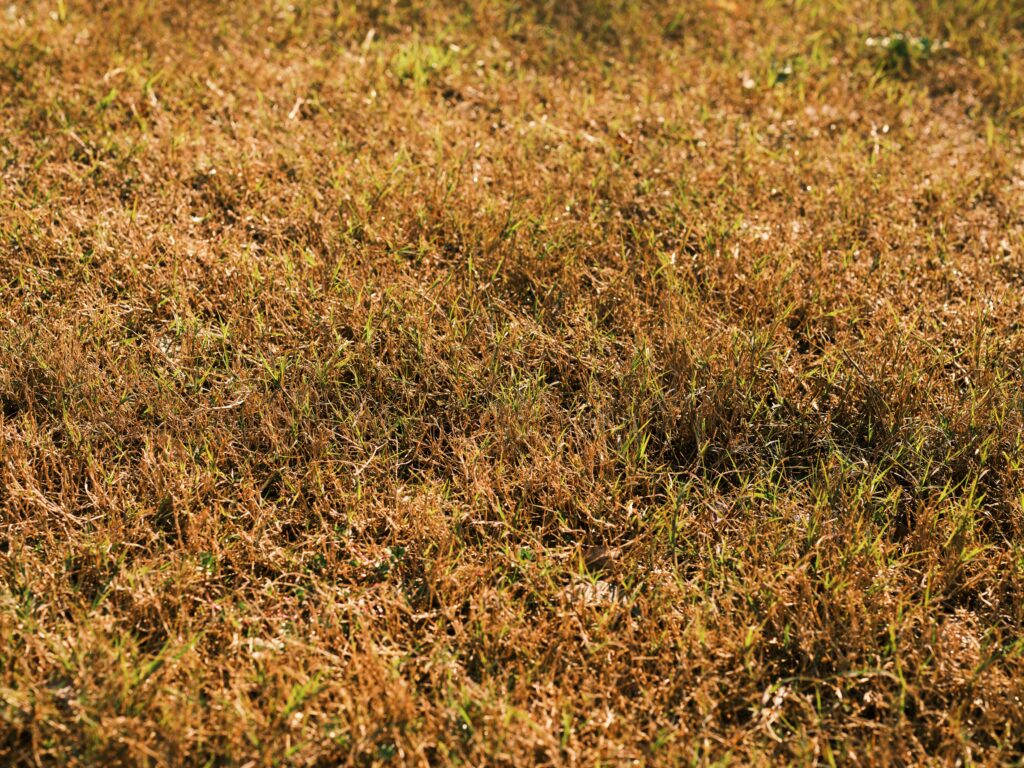
Seeing your lawn turn yellow in the fall can be concerning, especially if it looked green and healthy during the summer. The good news is that some yellowing is completely normal as temperatures drop and grass prepares for winter.
However, yellow grass can also be a sign of problems such as poor watering, compacted soil, nutrient issues, or lawn disease.
Knowing why your lawn is turning yellow can help you figure out whether it is simply responding to seasonal changes or whether it needs some extra care. And for those who don’t feel like doing it – call the professionals!
Why Does Grass Turn Yellow in the Fall?
Fall brings several changes that can affect the colour and growth of your lawn. Temperatures begin to drop, daylight hours become shorter, and grass growth naturally slows down.
Cool-season grasses can continue growing during cooler weather, but they eventually become less active as winter approaches. Some yellowing or fading can therefore be part of the normal transition into dormancy.
That said, not every case of yellow grass should be ignored.
If the yellowing is happening in patches or appears alongside thinning, dead grass, or other damage, there could be another issue affecting your lawn.
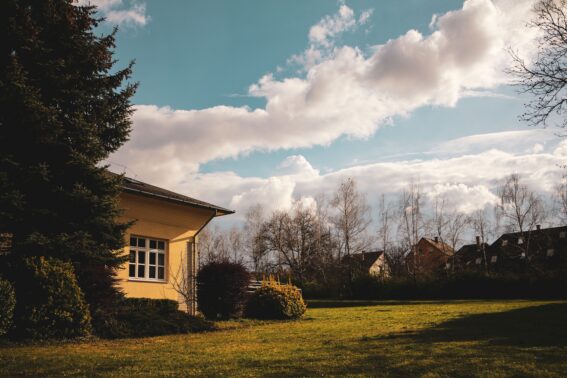
Common Reasons Your Lawn Turns Yellow in the Fall
There are several possible causes of yellow grass during the fall.
Seasonal Changes
One of the simplest explanations is the changing weather.
As temperatures fall and daylight decreases, grass naturally slows its growth. Your lawn may not look as bright green as it did during the summer.
This is especially common later in the fall when the lawn is beginning to prepare for winter.
Too Much or Too Little Water
Watering problems can also cause grass to turn yellow.
After a hot summer, it can be tempting to assume your lawn needs lots of water. However, fall weather can bring more rainfall, meaning your lawn may not need as much supplemental watering.
Too much water can leave soil constantly wet and create conditions that are not ideal for healthy roots.
On the other hand, a long dry period can cause grass to become stressed and lose its green colour.
Check the soil before watering rather than following the same schedule you used during the summer.
Compacted Soil
Compacted soil can make it difficult for grass roots to access water, air, and nutrients.
Heavy foot traffic, pets, lawn equipment, and regular use can all contribute to soil compaction.
If your lawn is yellowing along with thinning or poor growth, compacted soil could be part of the problem.
Nutrient Problems
Grass needs nutrients to stay healthy and maintain strong growth.
If your lawn is lacking important nutrients, the grass may begin to lose its green colour.
However, adding fertilizer without knowing what your lawn actually needs is not always the best approach. Over-fertilizing can cause its own problems.
If yellowing continues, consider having the soil assessed to determine whether a nutrient issue is contributing to the problem.
Lawn Disease
Some lawn diseases can cause yellow or discoloured grass.
Disease can become more noticeable when environmental conditions are favourable for fungal growth.
Look for additional signs such as:
- Irregular yellow or brown patches
- Spots or lesions on individual grass blades
- Thinning areas
- Rings or unusual patterns
- Grass that continues to deteriorate despite proper watering
If you notice these symptoms, the problem may be more than normal seasonal yellowing.
Too Much Shade
As the seasons change, sunlight conditions around your yard can change as well.
Trees and structures can create shaded areas where grass receives less sunlight. Some types of grass may struggle when they do not receive enough light.
If the same areas of your lawn regularly turn yellow or thin out, take a look at how much sunlight they receive throughout the day.
Is Yellow Grass in the Fall Normal?
Sometimes, yes.
A lawn becoming less green as fall progresses can be a normal part of the seasonal cycle. Cooler temperatures and shorter days cause grass growth to slow down.
The important thing is to look at the overall condition of the lawn.
If the entire lawn gradually fades as temperatures drop, there may not be anything seriously wrong.
If small sections suddenly turn yellow while the rest of the lawn remains green, there may be an underlying issue that needs attention.
How to Help Prevent Yellow Grass in the Fall
You cannot prevent every seasonal colour change, but proper lawn care can help keep your grass as healthy as possible heading into winter.
Adjust Your Watering
Do not automatically continue your summer watering schedule throughout the fall.
Pay attention to rainfall and soil moisture. Water when your lawn actually needs it rather than watering simply because it is part of your regular routine.
Avoid leaving the lawn saturated for long periods.
Keep Mowing
Your grass may grow more slowly in the fall, but that does not mean you should stop mowing immediately.
Continue mowing as needed and follow an appropriate mowing height for your type of grass.
Avoid cutting the lawn extremely short in an attempt to prepare it for winter.
Remove Leaves
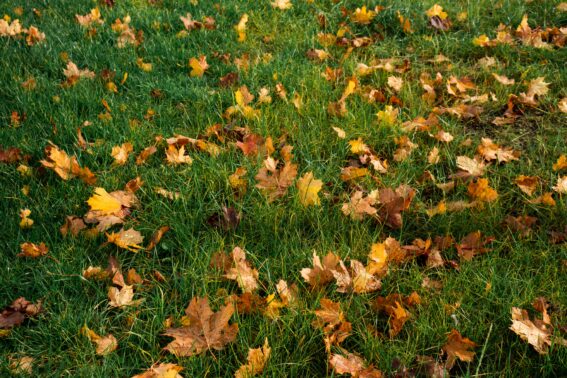
Fallen leaves are a normal part of fall, but thick layers of leaves can block sunlight and trap moisture against the lawn.
Regularly rake or remove leaves from your grass.
You can also mulch some leaves into the lawn if they are finely chopped and there is not enough material to smother the grass.
Aerate Compacted Soil
If your lawn has compacted soil, fall can be a useful time to improve soil conditions for cool-season grass.
Core aeration creates openings in the soil that can improve air and water movement and give grass roots better access to the soil.
Aeration can be especially helpful in areas that receive heavy foot traffic.
Address Lawn Problems Early
If yellowing is caused by something other than normal seasonal changes, dealing with the problem early can help prevent further damage.
Look at your lawn closely and try to determine whether the issue is related to watering, soil, sunlight, disease, pests, or another problem.
Should You Fertilize Yellow Grass in the Fall?
Fertilizer can be useful for lawns, but yellow grass does not automatically mean your lawn needs more fertilizer.
If the yellowing is simply part of the seasonal transition, adding extra fertilizer may not be necessary.
If your lawn has a nutrient deficiency, the appropriate fertilizer may help. A soil test can provide useful information about what nutrients are available in your soil and whether an adjustment is needed.
Always follow the fertilizer product’s application instructions and avoid applying more than recommended.
When Should You Be Concerned About Yellow Grass?
Yellow grass deserves more attention when the colour change is sudden, uneven, or accompanied by other signs of lawn stress.
Keep an eye out for:
- Large yellow or brown patches
- Bare spots
- Rapidly spreading discolouration
- Mushy or constantly wet soil
- Visible lawn disease
- Insect damage
- Grass that continues to deteriorate
- Areas that return to the same problem every year
These signs can indicate that something other than normal fall conditions is affecting the lawn.
How to Get Your Lawn Ready for Winter
Fall lawn care is about more than keeping your grass green. It is also about helping the lawn enter winter in good condition.
Continue mowing as needed, remove heavy layers of leaves, address compacted soil, and make sure your lawn receives appropriate moisture.
If you have thin or damaged areas, fall can also be a useful time to consider overseeding. Adding new grass seed can help fill in thin areas and create a thicker lawn before the next growing season.
Taking care of these issues before winter can help your lawn come back healthier when spring arrives.
FAQs About Why Your Lawn Turns Yellow in the Fall
Why is my grass turning yellow in the fall?
Grass can turn yellow in the fall because cooler temperatures and shorter days cause growth to slow down. Some seasonal colour change is normal, but yellowing can also be caused by watering problems, compacted soil, nutrient issues, disease, or shade.
Should I be worried if my lawn turns yellow in the fall?
Not necessarily. If the entire lawn gradually becomes less green as temperatures drop, it may simply be responding to seasonal changes. Sudden yellow patches, thinning, or other signs of damage may indicate an underlying problem.
How do I keep my grass green in the fall?
Maintain appropriate watering, continue mowing as needed, remove heavy layers of leaves, and address issues such as compacted soil or poor drainage. Keep in mind that some loss of green colour is normal as winter approaches.
Should I water yellow grass in the fall?
Check the soil and recent rainfall before watering. Your lawn may need less supplemental water in the fall than it did during the summer. Avoid both allowing the grass to become excessively dry and keeping the soil constantly saturated.
Should I fertilize yellow grass in the fall?
Not necessarily. Yellow grass does not automatically mean it needs fertilizer. If a nutrient deficiency is suspected, a soil test can help determine whether fertilizer is appropriate.
Can lawn disease cause yellow grass?
Yes. Certain lawn diseases can cause yellowing, thinning, or unusual patches. If your grass continues to deteriorate or develops irregular patterns, spots, or other symptoms, it is worth investigating the cause.
Can compacted soil make grass turn yellow?
Yes. Compacted soil can restrict the movement of air and water and make it more difficult for grass roots to access what they need. Aeration can help improve soil conditions in compacted areas.
Should I mow my lawn if it is turning yellow?
Yes, if the grass is still growing. Continue mowing as needed and avoid cutting the lawn excessively short. As temperatures continue to fall, grass growth will naturally slow down.
When should I stop watering my lawn in the fall?
There is no single date when you should stop watering. Pay attention to rainfall, soil moisture, and temperatures. As grass growth slows and the weather becomes cooler, your lawn generally needs less water.
Will yellow grass turn green again in the spring?
If the yellowing is caused by normal seasonal changes or dormancy, the grass can green up again as temperatures rise and active growth resumes. If the yellowing was caused by disease, poor soil conditions, or other damage, those problems may need to be addressed.
FAQs About Sunready Landscaping
Can Sunready Landscaping help with a yellow lawn?
Sunready Landscaping can help homeowners identify lawn care and landscaping issues and determine what type of maintenance may be appropriate for their outdoor space.
What lawn care services does Sunready Landscaping offer?
Sunready Landscaping provides landscaping and property maintenance services for homeowners looking to improve and maintain their outdoor spaces. Contact Sunready Landscaping directly to discuss your lawn and find out which services are available for your property.
Can Sunready Landscaping help prepare my lawn for winter?
Professional lawn care can help make sure your lawn is properly maintained before winter. Depending on the condition of your property, this may include services such as lawn maintenance, aeration, overseeding, or other landscaping work.
Why hire a professional for lawn care?
Lawn problems can have several different causes. Professional help can make it easier to identify the underlying issue and determine what type of lawn care is appropriate instead of simply treating the visible yellowing.
Final Thoughts
A lawn turning yellow in the fall is not always a sign that something is wrong. Cooler temperatures, shorter days, and slower grass growth can naturally cause your lawn to lose some of its summer colour.
However, sudden yellow patches, thinning grass, poor drainage, compacted soil, or signs of disease should not be ignored.
By adjusting your watering, continuing proper mowing, removing leaves, improving compacted soil, and addressing lawn problems early, you can help your grass stay healthier through the fall and prepare it for the next growing season.
And for those who don’t want to do it themselves, ask the professionals for help!