
 Home
 (647) 779-5798
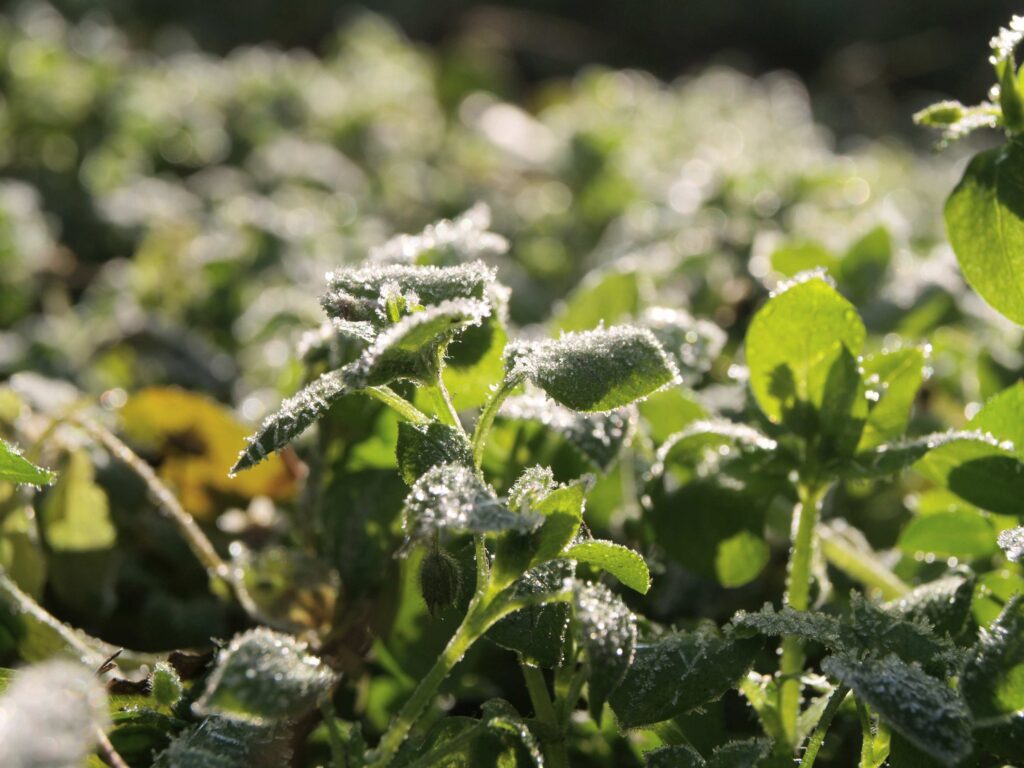
October is a beautiful time of year, but it can also bring some unpredictable weather. One day might feel warm and sunny, while the next brings freezing temperatures that can damage your garden. If you have flowers, shrubs, vegetables, or newly planted trees in your yard, an early frost can catch you off guard.
The good news is that a little preparation can go a long way. Knowing how to protect plants from frost can help you avoid damaged leaves, weakened roots, and lost flowers before winter arrives.
In Ontario, October is an important month for getting your landscape ready for colder weather. Whether you’re caring for a vegetable garden, maintaining your flower beds, or protecting new landscaping, there are several simple steps you can take to keep your plants healthy.
Here’s how to protect your plants from early frost, what to do when temperatures drop, and how to prepare your garden for the winter ahead. And for those who don’t want to do it themselves, check out the professionals!
What Is Early Frost, and Why Is It a Problem?
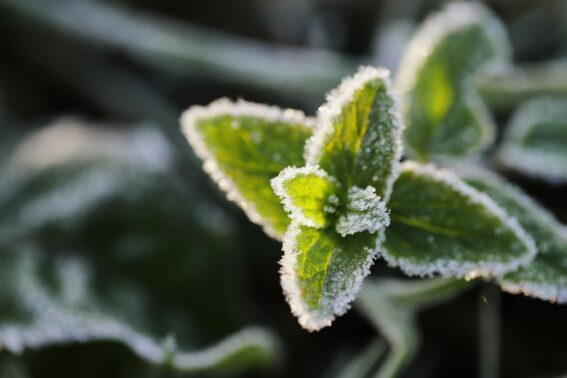
Early frost happens when temperatures drop to around 0°C or below while plants are still actively growing. Frost forms when moisture freezes on cold surfaces, including leaves, flowers, and other plant parts.
Some plants can handle light frost without much trouble, while others are sensitive to even a short period of freezing temperatures.
How Frost Damages Plants
When temperatures fall below freezing, ice can form in and around plant tissues. This can damage cells and prevent them from working properly.
Depending on the plant and how cold it gets, you might notice:
- Blackened or brown leaves
- Wilted flowers and soft stems
- Water-soaked or damaged foliage
- Drooping vegetables and herbs
- Damaged buds or young shoots
- Reduced growth or plant death in severe cases
Tender annuals, tropical plants, and warm-season vegetables are especially vulnerable. Hardy perennials, established shrubs, and many native plants can tolerate colder conditions, although their level of protection depends on the species.
Why October Frost Can Catch Homeowners Off Guard
October weather can change quickly in Ontario. Temperatures may remain mild during the day but fall sharply overnight, especially under clear skies and in sheltered areas where cold air settles.
A forecast showing a daytime temperature of 12°C doesn’t guarantee that your plants will be safe overnight.
Pay attention to overnight lows, frost warnings, and local weather forecasts. Taking action before the temperature drops is much easier than trying to save plants after frost damage has occurred.
7 Tips to Protect Your Plants from Early Frost
You don’t need expensive equipment to protect most garden plants from a typical early frost. A few practical steps can help reduce the risk of damage and give your landscape a better chance of making it through October.
1. Cover Sensitive Plants Before Temperatures Drop
Covering plants is one of the simplest ways to protect them from frost.
Garden fabric, frost blankets, old bedsheets, and lightweight fabric covers can help trap warmth from the soil around your plants. This creates a slightly warmer environment and can reduce direct exposure to frost.
For the best results:
- Cover sensitive plants before sunset, while the ground still holds some warmth.
- Use stakes or supports to keep the covering from pressing heavily on the foliage.
- Extend the cover down to the ground to help trap warmth.
- Secure the edges so wind doesn’t blow the cover away.
- Remove the covering during the day when temperatures rise, especially if the weather becomes sunny and warm.
Avoid using plastic sheeting directly against leaves, as plant tissues touching the plastic can still freeze. If you use plastic, keep it supported above the foliage and remove it promptly in the morning.
2. Water the Soil Before a Frost
Moist soil generally holds more heat than dry soil, which can help moderate temperature changes around plant roots.
If the soil is dry and a frost is expected, water your garden during the day before temperatures fall. Water the soil around the plants rather than soaking foliage late in the evening.
However, don’t water soil that is already saturated or frozen. Too much moisture can create other problems, especially in areas with poor drainage.
Watering can help in certain conditions, but it isn’t a substitute for covering particularly sensitive plants when a frost warning is issued.
3. Add Mulch Around Plant Roots
Mulch is useful for protecting the soil and roots as October temperatures become less predictable.
A layer of shredded leaves, bark mulch, or clean straw can help insulate the soil, reduce temperature swings, and retain moisture.
For most garden beds, a mulch layer around 5 to 8 centimetres deep is a reasonable starting point. Adjust the depth based on the plant, the material, and local conditions.
Keep mulch away from the stems and trunks of plants to prevent excess moisture from collecting against the bark.
Mulch is particularly helpful for perennial garden beds and newly planted trees and shrubs. However, it won’t reliably protect exposed leaves and flowers from a hard frost.
4. Bring Potted Plants Indoors
Plants growing in containers are often more vulnerable to cold weather than plants growing in the ground. Their roots have less insulation, so the potting mix can cool down quickly.
If you have tender potted plants, move them into a garage, shed, greenhouse, or indoor space before freezing temperatures arrive.
Keep these tips in mind:
- Bring tropical plants indoors before temperatures get too cold.
- Check plants for insects before moving them inside.
- Place them in a location with suitable light and temperature conditions.
- Reduce watering as plant growth slows, but don’t let the root ball dry out completely.
- Group outdoor containers together in a sheltered spot if they are too large to move.
Some hardy container plants can remain outdoors, but their roots may need extra protection during prolonged cold weather.
5. Harvest Tender Vegetables Before Frost
If you still have vegetables growing in October, check which ones are ready to harvest before a cold night.
Tomatoes, peppers, beans, cucumbers, and other warm-season crops are sensitive to frost. Harvest mature produce before freezing temperatures arrive.
Green tomatoes can often be picked and ripened indoors if they have reached a suitable stage of development. Remove damaged or diseased produce rather than storing it with healthy vegetables.
Some cool-season crops, such as kale and certain other hardy leafy vegetables, can tolerate light frost. However, tolerance varies by crop and variety.
If you want to extend your vegetable garden’s growing season, consider using row covers or low tunnels to provide extra protection.
6. Protect Newly Planted Trees and Shrubs
New trees and shrubs need time to establish their roots. While many hardy woody plants can handle normal fall conditions, newly planted specimens may be more vulnerable to drying winds, temperature changes, and root disturbance.
To protect them:
- Water the root zone when the soil is dry and before it freezes.
- Add a suitable layer of mulch around the root zone.
- Keep mulch away from the trunk.
- Use tree guards where rabbits or other wildlife may damage the bark.
- Protect vulnerable evergreens from harsh winds when appropriate.
Avoid wrapping every tree or shrub automatically. Many hardy plants don’t need special coverings, and poorly fitted wraps can trap moisture or damage branches.
If you’re planting new trees in October, choose species suited to your local climate and allow enough time for root establishment before the ground freezes.
7. Move Delicate Plants to a Sheltered Location
Wind can make cold conditions harder on tender plants, especially those growing in pots or exposed garden beds.
If possible, move vulnerable containers close to a sheltered wall, under a covered porch, or into another protected area. The shelter may reduce exposure to wind and help moderate temperature changes.
For plants growing in the ground, temporary frost blankets can provide similar protection.
Remember that a sheltered location isn’t necessarily frost-free. Check the forecast and cover plants when freezing temperatures are expected.
Which Plants Need the Most Protection from Frost?
Not every plant in your yard needs the same level of attention. Knowing which plants are sensitive to cold helps you focus your efforts where they’re most useful.
Tender Annual Flowers
Annuals such as begonias, impatiens, and many petunias can suffer damage when temperatures reach freezing.
If you want to keep container-grown annuals looking their best for a little longer, move them indoors when practical or cover them before a frost.
In-ground annuals that are nearing the end of their seasonal life may not be worth protecting once cold weather becomes regular.
Tropical and Warm-Weather Plants
Tropical plants, including many hibiscus varieties and other frost-sensitive ornamentals, need protection well before a hard freeze.
Bring suitable potted plants indoors and check their temperature requirements. Some plants need a warm indoor environment, while others can tolerate a cooler, frost-free space.
Vegetables and Herbs
Warm-season vegetables are particularly vulnerable to frost. Tomatoes, peppers, basil, and cucumbers may suffer damage during freezing conditions.
Hardier crops, including kale and some other cool-season vegetables, may survive light frost. Check the needs of each crop before deciding whether to cover it or harvest it.
Newly Planted Trees and Shrubs
Many hardy trees and shrubs are adapted to Ontario winters, but newly planted specimens still benefit from proper watering and root protection.
Evergreens can be particularly vulnerable to winter drying because their foliage continues to lose moisture when the ground is frozen. Sensitive varieties may benefit from wind protection or spring planting instead.
Perennials and Bulbs
Many hardy perennials naturally prepare for winter by slowing growth and going dormant. Their foliage may die back even when the plant’s roots and crowns remain healthy.
Avoid digging up or covering every perennial unnecessarily. Instead, identify which plants need extra protection and use mulch where appropriate.
Tender bulbs and tubers, such as dahlias and some begonias, may need to be lifted and stored in a frost-free location, depending on the species and local conditions.
What to Do After Frost Damages Your Plants
Even with careful preparation, frost damage can happen. If you wake up to blackened leaves or drooping flowers, don’t assume the entire plant is dead.
Wait Before Pruning Damaged Growth
Frost-damaged leaves and stems may look unattractive, but removing them immediately isn’t always necessary.
Wait until you can assess the full extent of the damage. Some plant tissue may recover, while other areas may continue to deteriorate over the following days.
Once the damage is clear, remove dead or badly damaged material when appropriate for the plant species.
Check the Soil and Root Zone
Inspect the soil around affected plants. If it has become dry and isn’t frozen, water as needed.
Avoid digging around the roots or disturbing the plant while it’s under stress. Focus on maintaining suitable soil moisture and protecting the root zone from further temperature swings.
Give Plants Time to Recover
Some perennials and woody plants can recover from damaged foliage if their roots, crowns, and main stems remain healthy.
Avoid applying extra fertilizer in an attempt to force new growth. As winter approaches, the goal is to help plants remain healthy rather than encourage tender shoots that could be damaged by another frost.
Know When to Replace a Plant
If a tender annual or warm-season vegetable has been severely damaged, replacement may not be worthwhile this late in the season.
For valuable trees and shrubs, wait until you can assess the stems and buds more carefully. If you’re unsure whether a plant is still viable, a landscaping professional or knowledgeable garden centre may be able to help.
How to Prepare Your Landscape for the Rest of Fall
Protecting plants from frost is just one part of preparing your yard for winter. October is also a good time to tidy garden beds, check drainage, and address problems that could become worse during cold weather.
Remove Diseased Plant Material
Remove diseased leaves and stems where appropriate, particularly when they may carry pests or plant diseases into the following season.
Don’t put heavily diseased material into a home compost pile unless your composting system can handle it safely. Follow local yard-waste guidelines when disposing of affected plants.
Healthy leaves can often be used as mulch or composted, depending on the plants involved and local recommendations.
Keep Garden Beds Clean but Don’t Overdo It
Remove weeds, spent annuals, and debris that could shelter pests or create maintenance problems.
At the same time, avoid stripping every garden bed completely bare. Healthy plant material and suitable leaf litter can provide shelter for beneficial insects and other wildlife.
A balanced approach helps prepare your yard for winter while supporting the garden ecosystem.
Check Drainage Around Trees and Shrubs
Waterlogged soil can be harmful to many plants, especially during periods of freezing and thawing.
Look for areas where water pools after rainfall. Correcting drainage problems can help protect roots and reduce future landscape maintenance issues.
Finish Essential Fall Watering
Trees and shrubs may still need water during dry fall weather. Pay particular attention to newly planted trees, shrubs, and evergreens.
Water when the soil is dry and conditions allow, continuing until the ground freezes. Don’t water frozen soil or areas that are already saturated.
When Should You Start Protecting Plants from Frost in Ontario?
The best time to prepare is before the first frost warning, rather than waiting until you see ice on your plants.
In many parts of Ontario, frost is possible during September and October, although the timing varies by location and year. Some areas may experience an early frost, while others remain mild for longer.
Check your local forecast regularly as October progresses. Pay close attention to overnight lows and official frost advisories.
A useful rule is to identify your most sensitive plants now, gather frost covers and other supplies, and have a plan ready for cold nights.
If you’re unsure whether a plant can handle frost, look up its cold hardiness and temperature requirements. Taking action early gives you more options than waiting until freezing conditions are already here.
Should You Hire a Landscaping Professional?
Many frost-prevention tasks are simple enough to handle yourself. Covering small plants, moving containers, and adding mulch can make a real difference.
However, larger landscape projects may need professional advice, especially if you’re dealing with mature trees, extensive garden beds, drainage problems, or newly installed landscaping.
A professional landscaper can help you identify vulnerable plants, recommend suitable species, and prepare your yard for changing seasonal conditions.
Sunready Landscaping can be a starting point for homeowners looking to maintain or improve their outdoor spaces. Contact the company to ask about its current landscaping services and whether it can help with your particular fall maintenance needs.
For those who want to spend less time worrying about seasonal yard work, professional landscaping support can help keep outdoor spaces looking their best throughout the year.
FAQs About Protect Your Plants from Early Frost: October Survival Tips
What temperature is too cold for plants in October?
It depends on the plant. Many tender annuals and warm-season vegetables can be damaged when temperatures reach around 0°C, while some hardy perennials and vegetables can tolerate light frost.
Tropical plants may suffer damage at temperatures well above freezing. Check the needs of each species and take action based on the forecast rather than relying on one temperature for every plant.
Should I cover my plants at 0°C?
Covering sensitive plants is a good precaution when temperatures are expected to reach around 0°C. Frost can form when plant surfaces cool below freezing, even if the reported air temperature is slightly above 0°C.
Use a suitable frost blanket or fabric cover, secure it properly, and remove it when conditions warm up.
What is the best material to cover plants from frost?
Lightweight frost blankets, horticultural fleece, and suitable fabric covers are good options. Old bedsheets can also work for short periods of light frost.
Avoid letting plastic sheeting rest directly on foliage. Whatever material you use, make sure it covers the plant adequately and is secured against wind.
Is it better to water plants before a frost?
Watering dry soil during the day before a frost may help moderate soil temperature because moist soil holds more heat than dry soil.
However, watering does not guarantee that plants will avoid frost damage. Don’t water saturated or frozen ground, and use covers for sensitive plants when needed.
Does mulch protect plants from frost?
Mulch helps insulate soil, protect roots, and reduce temperature fluctuations. It is particularly useful around perennials and newly planted trees and shrubs.
However, mulch does not reliably protect leaves, flowers, and exposed stems from freezing temperatures. Combine mulching with other protection methods when necessary.
Should I cut back frost-damaged plants immediately?
Not always. Wait until you can assess the extent of the damage before pruning heavily. Some plants may recover, while others may have damaged stems or roots that require attention.
For perennials, shrubs, and trees, follow pruning recommendations for the specific species rather than cutting everything back at once.
Can newly planted trees survive an early frost?
Many hardy trees can survive normal fall frosts, especially when planted at the appropriate time and cared for properly. Newly planted trees still need suitable soil moisture, correct planting depth, and protection from wildlife or harsh exposure where necessary.
Sensitive tree species may require additional protection or may be better planted in spring.
How do I protect potted plants from frost?
Move tender potted plants into a garage, shed, greenhouse, or indoor area before freezing temperatures arrive.
If containers must remain outside, group them in a sheltered location and consider insulating the pots. Remember that the roots of container-grown plants are more exposed to cold than roots growing in the ground.
When is the first frost in Ontario?
The first frost varies by location, elevation, weather patterns, and year. Some Ontario communities experience frost in September, while others may not experience it until October or later.
Check your local weather forecast and frost advisories for the most useful guidance. Avoid relying on a single average date as a guarantee.
What landscaping services does Sunready Landscaping offer?
Sunready Landscaping is the business referenced in this article. For an accurate list of current services, consult the company’s official website or contact the business directly.
You can ask whether it offers the specific services you need, such as garden bed maintenance, tree and shrub planting, landscape improvements, or other seasonal landscaping work.
How can I contact Sunready Landscaping for fall landscaping help?
You can reach out to Sunready Landscaping through its official website or business contact channels to discuss your outdoor project.
Explain what you need help with, whether it’s preparing garden beds for winter, caring for new plantings, or planning improvements for spring. The company can confirm its service area, current availability, and pricing.
Protect Your Garden Before the Next Frost
Early frost doesn’t have to mean the end of your garden. By covering sensitive plants, watering when needed, adding mulch, moving containers indoors, and protecting newly planted trees and shrubs, you can reduce the risk of damage during October’s unpredictable weather.
The most important step is to prepare before temperatures drop. Check the forecast, identify your most vulnerable plants, and keep frost protection supplies ready so you can act quickly when needed.
With a little planning, you can help your landscape stay healthy as it transitions from fall into winter.
If your yard needs more attention before the cold weather arrives, consider making a simple fall maintenance checklist or contacting a landscaping professional to help you prioritize the work. And for those who don’t want to do it themselves – ask the professionals!