
 Home
Home (647) 779-5798
Your landscaping is one of the first things people notice when they pull up to your home. A healthy lawn, well-maintained garden beds, and a clean walkway can make your property look inviting and well cared for.
But even a nice yard can lose some of its appeal when a few landscaping mistakes start adding up.
Overgrown plants, patchy grass, outdated designs, poor lighting, and neglected hardscaping can all make your home look less attractive. The good news is that most curb appeal problems are fixable.
Whether you’re preparing to sell your home or simply want to enjoy a better-looking yard, avoiding these common landscaping mistakes can make a big difference. And for those who don’t want to do it themselves, try the professionals!
What Is Curb Appeal?
Curb appeal is the overall appearance of your home and property when viewed from the street.
Your landscaping plays a major role in that first impression. Things like your lawn, driveway, walkway, trees, shrubs, flower beds, fencing, and outdoor lighting all contribute to how your home looks from the outside.
You don’t necessarily need an expensive landscape design to improve curb appeal. In many cases, simple maintenance and a few thoughtful upgrades can make your property look significantly better.
7 Landscaping Mistakes That Can Hurt Your Home’s Curb Appeal
1. Letting Your Lawn Become Overgrown or Patchy
Your lawn is often one of the largest visible areas of your front yard, so its condition can have a major impact on curb appeal.
A lawn with brown patches, weeds, bare spots, or uneven mowing can make the entire property look neglected.
This doesn’t mean your grass needs to look perfect every day. Seasonal stress, drought, pests, and disease can all affect lawn health. However, ignoring obvious problems for long periods can make them harder to fix.
How to Fix It
Start with the basics:
- Mow regularly and avoid cutting the grass too short.
- Keep your mower blades sharp.
- Water deeply when your lawn needs moisture.
- Watch for weeds, insects, and signs of disease.
- Aerate compacted soil when appropriate.
- Overseed thin areas when growing conditions are suitable.
- Clean up leaves and other debris.
If your lawn turns brown during a hot Ontario summer, don’t automatically assume it is dead. Cool-season grass can go dormant during periods of heat and drought and recover when moisture and temperatures improve.
Good lawn care is about more than keeping grass green. You’re trying to build a healthy lawn that can handle changing conditions.
2. Choosing Plants Without Considering Their Mature Size
One of the most common landscaping mistakes is planting something based on how it looks today instead of how large it will become.
A small shrub might look perfect beside your front walkway when you plant it. A few years later, it could be blocking windows, covering the walkway, or crowding other plants.
Trees can create even bigger problems when they’re planted too close to homes, driveways, utility lines, or other structures.
How to Fix It
Before planting, check:
- Mature height
- Mature width
- Root growth
- Sun requirements
- Soil requirements
- Water requirements
- How close the plant should be to buildings and walkways
Give plants enough room to reach their mature size without constantly requiring aggressive pruning.
A good landscape design should look better as plants grow, not become more difficult to maintain.
3. Overcrowding Your Front Yard
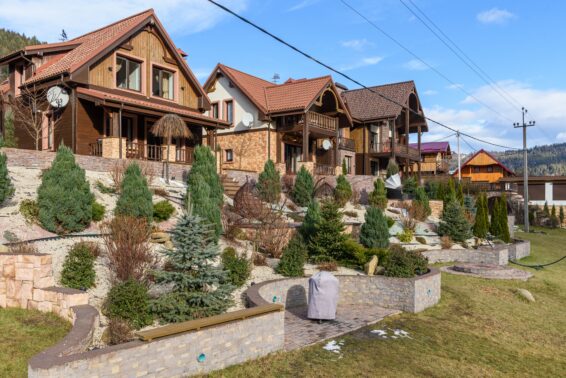
More plants don’t necessarily mean better landscaping.
It can be tempting to fill every empty space with flowers, shrubs, ornamental grasses, and decorative features. But too many different elements can make your front yard feel busy and unorganized.
A strong landscape design usually has a sense of balance.
You want the plants, lawn, walkways, and other features to work together instead of competing for attention.
How to Fix It
Look for areas where plants are:
- Crowding each other
- Blocking windows
- Covering walkways
- Hiding architectural features
- Growing into the lawn
- Making maintenance difficult
You may be able to improve the appearance simply by removing a few plants and giving the remaining ones more room.
Sometimes less landscaping creates more curb appeal.
4. Ignoring Your Walkway and Hardscaping
Your lawn and plants aren’t the only parts of your landscape that affect curb appeal.
Walkways, patios, retaining walls, steps, driveways, and other hardscaping features can also have a major impact.
Cracked concrete, uneven pavers, weeds growing between stones, stained surfaces, and damaged edges can make an otherwise attractive property look neglected.
How to Fix It
Walk around your property and look at your hardscaping from the street.
Check for:
- Cracked or damaged surfaces
- Uneven pavers
- Weeds between joints
- Stains and dirt
- Damaged edging
- Loose stones
- Poor drainage
- Overgrown plants covering walkways
Some issues can be handled with basic cleaning and maintenance. More serious problems may require repairs or a new landscape design.
5. Using Too Many Different Styles
Another landscaping mistake is trying to combine too many different design styles.
For example, a front yard might have modern concrete planters, traditional flower beds, rustic decorations, several types of fencing, and completely different materials throughout the property.
Individually, these elements might look great. Together, they can make the yard feel disconnected.
How to Fix It
Choose a general design direction and repeat some of the same materials, colours, shapes, and plant styles throughout the property.
For example, you could use:
- The same type of stone in multiple areas
- Repeating plant varieties
- Similar planter styles
- Consistent edging
- Matching outdoor lighting
- A simple, coordinated colour palette
Consistency can make a landscape look more intentional and professionally designed.
6. Forgetting About Outdoor Lighting
Your landscaping doesn’t stop looking important when the sun goes down.
Poor outdoor lighting can make your home feel dark and can hide some of the features you’ve invested in during the day.
Outdoor lighting can also improve the appearance and usability of walkways, patios, gardens, trees, and entrances.
How to Fix It
Consider adding lighting to areas such as:
- Front walkways
- Driveways
- Steps
- Garden beds
- Trees
- Entryways
- Patios
- Architectural features
Avoid putting extremely bright lights everywhere. Instead, use lighting strategically to highlight important features and improve visibility.
Well-planned landscape lighting can make a front yard feel more welcoming without making it look overdone.
7. Designing a Yard That Is Too Difficult to Maintain
A landscape can look fantastic when it is first installed but lose its curb appeal if it requires more maintenance than the homeowner has time for.
This is an important point that is sometimes overlooked during landscape design.
A yard filled with high-maintenance plants, large flower beds, frequent pruning requirements, and complicated features can quickly become difficult to keep looking its best.
How to Fix It
Be realistic about how much maintenance you’re willing to do.
Consider using:
- Low-maintenance shrubs
- Native or well-adapted plants
- Mulch
- Perennial plants
- Simple planting layouts
- Proper landscape edging
- Efficient irrigation
- Hardscaping in high-traffic areas
A good landscape should fit your lifestyle.
The best landscape design isn’t necessarily the one with the most plants or features. It’s the one you can realistically maintain.
Other Landscaping Mistakes to Watch For
The seven mistakes above are some of the biggest curb appeal problems, but there are a few other things worth checking around your property.
Neglecting Garden Beds
Garden beds can quickly become messy when weeds take over or mulch becomes thin and uneven.
Refresh mulch when needed, remove weeds, prune overgrown plants, and redefine the edges of your beds.
Clean edges can make a surprisingly big difference.
Planting Without Considering Sunlight
A plant that needs full sun probably won’t thrive in a heavily shaded area.
Before choosing plants, pay attention to how much sunlight each part of your property receives throughout the day.
Putting the right plant in the wrong location can lead to poor growth, more maintenance, and an unattractive garden.
Forgetting About Drainage
Standing water can damage lawns, plants, soil, and hardscaping.
If water consistently collects in your front yard after heavy rain, don’t simply keep adding plants or soil without addressing the underlying drainage issue.
Proper grading and drainage should be part of your landscape plan.
How to Improve Your Home’s Curb Appeal Without Redesigning Everything
You don’t always need a complete landscape makeover.
If your budget is limited, focus on the changes that will make the biggest visual difference.
Start With the Basics
Clean up the front yard and remove dead plants, weeds, branches, and unnecessary clutter.
Improve the Lawn
Repair obvious bare patches, address brown or stressed areas, and keep your mowing height appropriate for the season.
Refresh Garden Beds
Add fresh mulch, redefine bed edges, and prune shrubs that have become overgrown.
Improve the Entrance
A clean walkway, attractive plants around the front door, and simple outdoor lighting can make the entrance feel much more welcoming.
Add Strategic Lighting
You don’t need dozens of lights. A few well-placed fixtures can highlight walkways, trees, garden beds, and architectural features.
When Should You Consider a Full Landscape Redesign?
Sometimes small improvements aren’t enough.
A full landscape redesign may make sense if:
- Your current layout feels outdated.
- Plants have outgrown their spaces.
- Your lawn is difficult to maintain.
- Drainage is causing repeated problems.
- Your walkway or patio needs major repairs.
- Your front yard doesn’t work well with your home’s architecture.
- You want to increase your home’s curb appeal before selling.
- You want a more functional outdoor space.
A landscape redesign gives you the opportunity to fix several problems at the same time instead of repeatedly patching individual issues.
Think About Function as Well as Appearance
Curb appeal is important, but your yard should also work for your household.
Think about how you use the space.
Do you need:
- A safe walkway to the front door?
- A place for outdoor entertaining?
- More privacy?
- A play area?
- Better drainage?
- Easier lawn maintenance?
- More shade?
- Better lighting?
A landscape that looks good and works well is much more valuable than one that only looks good from the street.
Final Thoughts
Good landscaping can make your home look more inviting, improve your outdoor living space, and potentially make a strong first impression on visitors and prospective buyers.
But you don’t need to spend a fortune to improve your curb appeal.
Start by avoiding the basics: don’t let your lawn become neglected, don’t overcrowd your garden beds, don’t plant without considering mature size, and don’t ignore walkways, drainage, or outdoor lighting.
Most importantly, design your landscaping around your home, your property, and the amount of maintenance you’re realistically willing to handle.
If your current yard feels outdated or you’re not sure where to start, a professional landscape designer or landscaping company can help you create a plan that improves both appearance and function.
FAQs About 7 Landscaping Mistakes That Can Hurt Your Home’s Curb Appeal
What is the biggest landscaping mistake homeowners make?
One of the biggest mistakes is failing to plan for the future. Plants grow, trees mature, and landscaping needs change. Choosing plants and features based only on how they look when they’re first installed can create maintenance and curb appeal problems later.
How can landscaping hurt curb appeal?
Overgrown plants, patchy lawns, weeds, damaged walkways, poor outdoor lighting, overcrowded garden beds, and inconsistent design can all make a home look less attractive from the street.
What is the easiest way to improve curb appeal?
Start with basic maintenance. Mow and edge the lawn, remove weeds, prune overgrown plants, clean walkways, refresh mulch, remove dead vegetation, and clean up clutter.
These relatively simple improvements can make a noticeable difference.
Does landscaping increase home value?
Well-maintained landscaping can improve a home’s appearance and create a stronger first impression. However, the exact impact on property value depends on the home, neighbourhood, market, and quality of the landscaping.
Should landscaping match the style of my house?
It doesn’t have to match perfectly, but your landscaping should complement your home’s architecture. Repeating materials, colours, shapes, and plant styles can help create a more cohesive appearance.
How often should landscaping be redesigned?
There is no fixed schedule. A landscape redesign may be appropriate when plants have outgrown their spaces, the design feels outdated, maintenance has become difficult, or the yard no longer meets your needs.
What plants are best for curb appeal?
The best plants depend on your local climate, soil, sunlight, available space, and maintenance preferences. Choose plants that can thrive in the conditions on your property rather than choosing them based only on appearance.
How can I make my front yard look more expensive?
Focus on clean lines, healthy plants, a well-maintained lawn, defined garden beds, quality hardscaping, and strategic outdoor lighting. A simple, cohesive landscape often looks more polished than one filled with too many different features.
Does outdoor lighting improve curb appeal?
Yes. Landscape lighting can highlight trees, garden beds, walkways, entryways, and architectural features after dark. It can also make your property feel more welcoming and improve visibility.
Should I hire a professional landscaper or do it myself?
Small maintenance projects can often be handled yourself. For larger projects involving landscape design, grading, drainage, hardscaping, major planting, or a complete yard makeover, a professional can help you develop a more practical plan.
What landscaping services does Sunready Landscaping offer?
Sunready Landscaping provides landscaping services designed to help homeowners improve and maintain their outdoor spaces. Services can vary depending on the property and project, so homeowners should contact Sunready Landscaping directly to discuss their specific needs.
Can Sunready Landscaping help improve my home’s curb appeal?
Yes. A professional landscaping company can help identify areas of your property that are affecting curb appeal and recommend improvements involving lawn care, planting, garden beds, hardscaping, outdoor spaces, and other landscape features.
Sunready Landscaping can work with homeowners to develop landscaping solutions based on their property’s layout, goals, and maintenance needs.
Why choose Sunready Landscaping for a landscape project?
Sunready Landscaping can help homeowners take a more complete approach to their outdoor space instead of tackling individual problems one at a time. Professional planning can help ensure that plants, lawn areas, hardscaping, and other landscape features work together.
If you’re considering improving your home’s curb appeal, contacting Sunready Landscaping is a good way to discuss your property and find out which landscaping options make the most sense for you.