
 Home
Home (647) 779-5798
Ontario summers can be unpredictable. One week you’re getting heavy rain, and the next you’re dealing with a long stretch of hot, dry weather. If you’re tired of watering your garden every day or watching plants struggle during dry spells, it may be time to switch to drought-tolerant landscaping.
Drought-tolerant plants are a smart choice for Ontario homeowners. Once established, these plants need less water, require less maintenance, and still provide beautiful colour, texture, and curb appeal throughout the growing season.
In this guide, we’ll highlight some of the best drought-tolerant plants for Ontario landscapes, explain why they’re worth planting, and share tips for creating a water-wise yard that looks great all summer long. And for those who don’t want to do it themselves – ask the professionals for help!
Why Choose Drought-Tolerant Plants?
Adding drought-tolerant plants to your landscape offers several benefits beyond saving water.
These plants can:
- Require less watering once established
- Handle Ontario’s hot summer weather
- Reduce landscape maintenance
- Lower water bills
- Support local pollinators like bees and butterflies
- Stay healthier during dry conditions
They’re especially useful in sunny gardens, boulevard plantings, rock gardens, slopes, and areas where irrigation is limited.
What Makes a Plant Drought-Tolerant?
Drought-tolerant plants have natural adaptations that help them survive with less water.
Many have:
- Deep root systems
- Thick or waxy leaves that reduce water loss
- Small or narrow foliage
- The ability to store moisture
- Strong resistance to heat and dry soil
While these plants still need regular watering during their first growing season, they become much more resilient once their roots are established.
1. Purple Coneflower (Echinacea)
Purple Coneflower is one of the most reliable perennials for Ontario gardens.
Why Homeowners Love It
- Beautiful purple flowers from summer into fall
- Attracts bees, butterflies, and other pollinators
- Handles full sun well
- Very low maintenance once established
Growing Tips
Plant Purple Coneflowers in well-drained soil where they receive at least six hours of sunlight each day.
2. Black-Eyed Susan
Black-Eyed Susans brighten any landscape with their cheerful yellow flowers.
Benefits
- Long blooming season
- Excellent drought tolerance
- Attracts pollinators
- Easy to grow in many soil types
These hardy perennials add colour to gardens even during dry summers.
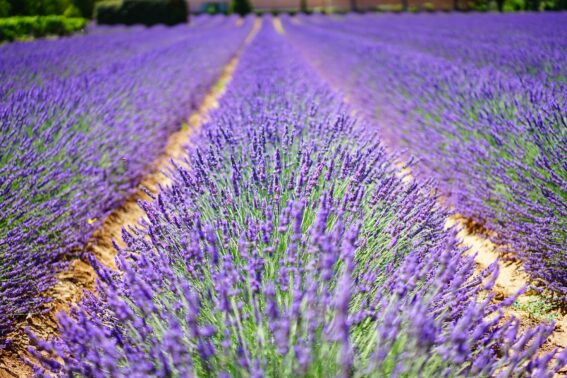
3. Lavender
Lavender is well known for its fragrance and ability to thrive in dry conditions.
Why It’s a Great Choice
- Beautiful purple blooms
- Pleasant scent
- Attracts bees
- Requires very little water after establishment
Best Growing Conditions
Lavender prefers full sun and well-drained soil. Avoid planting it in areas that stay wet after rainfall.
4. Sedum (Stonecrop)
Sedum is one of the toughest plants you can add to your landscape.
Why It Works
- Thick leaves store water
- Handles heat exceptionally well
- Produces attractive late-season flowers
- Requires very little maintenance
Sedum works well in borders, rock gardens, and around walkways.
5. Russian Sage
Russian Sage creates soft, airy texture while standing up to hot, dry weather.
Features
- Silvery foliage
- Lavender-blue flowers
- Long blooming season
- Excellent heat tolerance
It’s an excellent backdrop for perennial gardens.
6. Daylilies
Daylilies are popular across Ontario because they’re both beautiful and tough.
Advantages
- Available in many colours
- Adapt well to different soils
- Tolerate drought once established
- Bloom throughout the summer
They work well along walkways, fences, and foundation plantings.
7. Ornamental Grasses
Many ornamental grasses thrive with very little water.
Popular options include:
- Feather Reed Grass
- Little Bluestem
- Blue Fescue
- Switchgrass
These grasses provide movement, texture, and year-round interest while requiring minimal care.
8. Yarrow
Yarrow is another excellent drought-resistant perennial.
Why Plant It?
- Long-lasting blooms
- Attracts butterflies
- Handles poor soil
- Requires very little watering
Its flat flower clusters make it a great addition to pollinator gardens.
9. Juniper Shrubs
Junipers are one of the best drought-tolerant evergreen shrubs for Ontario landscapes.
Benefits
- Stay green year-round
- Require little watering
- Thrive in sunny locations
- Excellent for slopes and foundation plantings
They also help provide structure throughout the winter months.
10. Serviceberry Trees
If you’re looking for a drought-tolerant small tree, Serviceberry is an excellent choice.
It offers:
- Spring flowers
- Summer berries for birds
- Beautiful fall colour
- Good drought tolerance after establishment
It’s a native Ontario tree that supports local wildlife while adding year-round beauty.
Tips for Creating a Drought-Tolerant Landscape
Choosing the right plants is only part of the equation. Good landscaping practices help those plants thrive.
Improve Your Soil
Adding compost improves soil structure and helps it retain moisture longer.
Healthy soil means healthier plants.
Use Mulch
Apply two to three inches of mulch around plants.
Mulch helps:
- Hold moisture in the soil
- Reduce weeds
- Keep roots cooler
- Improve soil over time
Keep mulch a few inches away from stems and tree trunks.
Water Deeply
Instead of watering every day, water deeply once or twice a week during dry weather.
Deep watering encourages plants to develop stronger root systems.
Group Plants by Water Needs
Keep plants with similar watering requirements together.
This makes irrigation more efficient and prevents overwatering drought-tolerant plants.
Choose the Right Location
Even drought-tolerant plants perform best when matched to the right conditions.
Pay attention to:
- Sun exposure
- Soil drainage
- Mature plant size
- Available space
Planting the right plant in the right location reduces maintenance and improves long-term success.
Common Mistakes to Avoid
Even drought-tolerant plants can struggle if they’re not cared for properly.
Avoid these common mistakes:
- Overwatering established plants
- Planting shade-loving plants in full sun
- Skipping mulch
- Ignoring soil drainage
- Crowding plants too closely together
Giving plants enough space improves airflow and reduces the risk of disease.
Why Professional Landscape Design Matters
Choosing the right plants for your property can make a big difference in how your landscape performs over time.
A professional landscaping team can recommend plants that match your property’s soil, sunlight, drainage, and maintenance goals while creating a landscape that’s both attractive and practical.
Whether you’re refreshing one garden bed or redesigning your entire yard, selecting drought-tolerant plants is a smart investment for long-term beauty and lower maintenance.
Final Thoughts
Drought-tolerant landscaping doesn’t mean giving up colourful gardens or attractive curb appeal. With the right mix of perennials, shrubs, ornamental grasses, and trees, you can build a landscape that looks beautiful while using less water.
By improving your soil, applying mulch, watering properly during establishment, and choosing plants suited to Ontario’s climate, you’ll enjoy a healthier, more resilient landscape for years to come.
FAQs About The Best Drought-Tolerant Plants for Ontario Landscapes
What are the best drought-tolerant plants for Ontario?
Some of the best options include Purple Coneflower, Black-Eyed Susan, Lavender, Sedum, Russian Sage, Daylilies, Yarrow, ornamental grasses, Juniper shrubs, and Serviceberry trees. These plants are well suited to Ontario’s climate and perform well during dry periods once established.
Do drought-tolerant plants need watering?
Yes. Newly planted drought-tolerant plants need regular watering during their first growing season while their root systems develop. After they’re established, they usually require much less water than traditional landscape plants.
Are drought-tolerant plants low maintenance?
Most are. They generally require less watering, fewer fertilizer applications, and less ongoing care than plants with higher moisture needs.
Which drought-tolerant plants attract pollinators?
Purple Coneflower, Black-Eyed Susan, Lavender, and Yarrow are excellent choices for attracting bees, butterflies, and other beneficial pollinators.
Can drought-tolerant plants survive Ontario winters?
Many drought-tolerant perennials, shrubs, and native plants are hardy enough to survive Ontario winters when planted in the appropriate growing zone.
Should I mulch around drought-tolerant plants?
Yes. Mulch helps retain soil moisture, suppress weeds, regulate soil temperature, and improve overall plant health.
Can Sunready Landscaping help design a drought-tolerant landscape?
Yes. Sunready Landscaping can recommend drought-tolerant plants that suit your property’s soil, sunlight, and drainage while creating a landscape that’s attractive, practical, and easier to maintain.
Does Sunready Landscaping install gardens and landscape beds?
Yes. Sunready Landscaping designs and installs landscape beds featuring trees, shrubs, perennials, ornamental grasses, mulch, edging, and other features that enhance your property’s curb appeal.
Why choose Sunready Landscaping for your landscaping project?
Sunready Landscaping focuses on creating landscapes that are both beautiful and functional. Whether you’re updating existing gardens or planning a complete landscape makeover, the team can help you choose plants that thrive in Ontario’s climate and provide lasting value with less maintenance. And for those who don’t want to do it themselves, remember the professionals are here to help!