
 Home
Home (647) 779-5798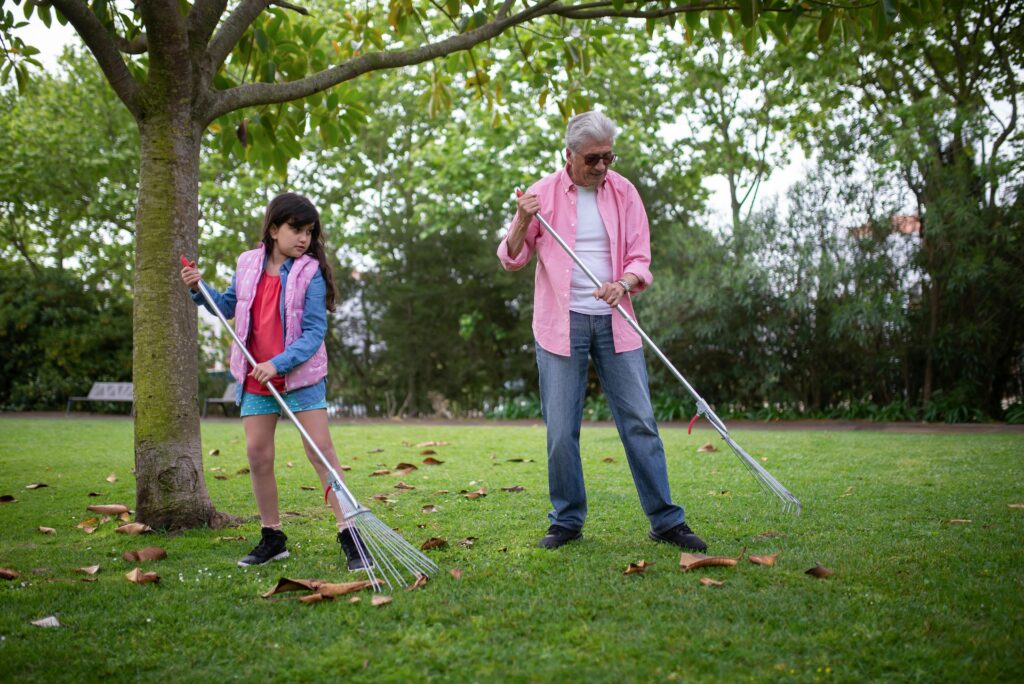
April is the perfect time to get your garden ready for the growing season. After winter, your yard needs attention to bounce back and thrive. Snow, ice, and months of cold weather leave behind debris, compacted soil, and stressed plants that need a proper reset before new growth begins.
Getting ahead with a thorough cleanup now makes everything easier later. Your plants will grow stronger, your lawn will look healthier, and you’ll spend less time fixing problems during peak season. A little work in April goes a long way toward having a vibrant, low-maintenance yard all summer. And for those who don’t want to do it themselves, ask the professionals for help!
Why April Garden Cleanup Matters
A proper cleanup:
- Encourages healthy growth
- Prevents pests and disease
- Improves appearance
More Than Just Looks
Spring cleanup isn’t just about making your yard look tidy—it directly impacts how well your plants grow. Leaving debris behind can trap moisture, which creates the perfect environment for mold, fungus, and pests.
Setting the Stage for Growth
When your garden is clean and prepped:
- Soil warms up faster
- Roots get better access to nutrients
- Water drains more effectively
- New growth isn’t blocked by old debris
Think of April cleanup as giving your garden a fresh start.
Raking Your Garden
Removes:
- Leaves
- Debris
- Thatch
This allows sunlight and air to reach the soil.
How to Rake Properly
- Use a soft rake for delicate areas
- Avoid raking when the ground is too wet
- Work in light passes instead of digging in
Raking too aggressively can damage new shoots that are just starting to emerge.
Where to Focus
Pay extra attention to:
- Garden beds
- Around shrubs
- Corners where debris collects
These areas often hold moisture and can cause problems if left untouched.
Pruning Plants
What to Cut
- Dead branches
- Diseased growth
- Overcrowded areas
Why It Helps
- Promotes stronger growth
- Improves plant shape
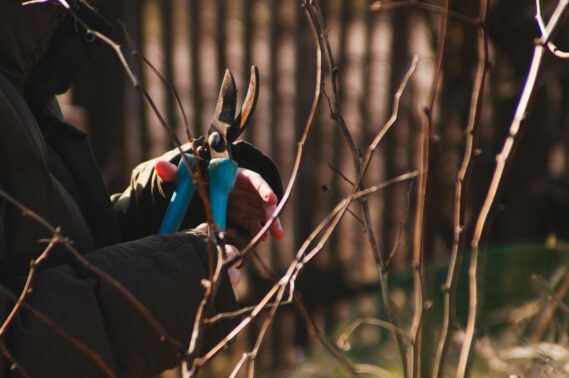
Best Pruning Practices
- Always use clean, sharp tools
- Cut just above a healthy bud
- Remove branches that cross or rub against each other
Timing Matters
Not all plants should be pruned at the same time. For example:
- Spring-flowering shrubs should be pruned after they bloom
- Summer bloomers can often be pruned in early spring
Knowing the difference helps avoid cutting off future flowers.
Preparing Garden Beds
- Remove weeds
- Turn soil
- Add compost
Go Deeper with Soil Prep
Healthy soil is the foundation of your garden. If your soil is compacted from winter, roots will struggle to grow.
Take time to:
- Break up hard soil
- Mix in organic matter
- Remove any leftover roots or debris
Add Nutrients
Compost is one of the best things you can add:
- Improves soil structure
- Adds essential nutrients
- Encourages beneficial microorganisms
Dividing Perennials
Helps prevent overcrowding and encourages healthier plants.
When to Divide
If your perennials:
- Look crowded
- Have reduced blooms
- Are spreading too far
…it’s time to divide them.
How to Divide
- Dig up the plant carefully
- Separate it into smaller sections
- Replant with space between each section
This not only improves plant health but also gives you more plants for free.
Mulching
- Keeps soil moist
- Reduces weeds
- Improves soil
How to Apply Mulch Properly
- Spread 2–3 inches evenly
- Keep mulch away from plant stems
- Refresh old mulch rather than piling on too much
Benefits Beyond Moisture
Mulch also:
- Regulates soil temperature
- Protects roots from sudden cold snaps
- Enhances the overall look of your garden
Pest Check
Look for early signs of:
- Insects
- Plant damage
What to Watch For
- Holes in leaves
- Discoloration
- Sticky residue
- Eggs on the underside of leaves
Why Early Detection Matters
Catching pests early:
- Prevents infestations
- Reduces the need for harsh treatments
- Protects your plants during their most vulnerable stage
Tool Prep
Clean and sharpen tools for efficiency.
Why This Step Is Important
Using dull or dirty tools can:
- Damage plants
- Spread disease
- Make work harder than it needs to be
Quick Tool Checklist
- Clean off dirt and rust
- Sharpen blades
- Oil moving parts
- Check for damage
Well-maintained tools save time and effort throughout the season.
Bonus Tip: Start a Watering Plan
Before the season gets busy, think about how you’ll water your garden.
- Identify dry areas
- Check hose reach
- Plan consistent watering times
Having a plan in place helps your plants stay healthy from the start.
Bonus Tip: Add New Plants Strategically
If you’re planning to add new plants:
- Choose varieties suited to Ontario’s climate
- Consider sunlight and spacing
- Group plants with similar water needs
Planning ahead reduces maintenance later.
Common Mistakes to Avoid
- Cleaning up too early while soil is still frozen
- Over-pruning plants
- Ignoring soil health
- Skipping mulch
- Forgetting to check for pests
Avoiding these mistakes will set you up for a smoother gardening season.
FAQs About April Garden Cleanup
Is April too early?
No, it’s ideal in Ontario once the ground has thawed.
Do I need to prune everything?
No, just dead, damaged, or overgrown parts.
How long does cleanup take?
Most gardens can be cleaned up in a weekend, depending on size.
Should I fertilize in April?
Light fertilizing can help, but avoid overdoing it early in the season.
FAQs About Sunready Landscaping
Do they offer garden cleanup?
Yes, including pruning, raking, soil prep, and mulching.
Do they handle large properties?
Yes, they work with properties of all sizes.
Can they maintain my garden year-round?
Yes, they offer ongoing maintenance to keep your yard looking its best.
Why hire Sunready Landscaping?
They save time, ensure proper care, and help avoid costly mistakes.
April is your opportunity to reset your garden after a long Ontario winter. By taking the time to rake, prune, prep, and plan, you’re setting your yard up for a full season of healthy growth and great curb appeal.
Each step plays an important role—from clearing debris and improving soil to managing pests and preparing your tools. When done properly, spring cleanup reduces future work, prevents common problems, and helps your garden thrive naturally.
The key is consistency and attention to detail. Even small improvements now can lead to big results later. Whether you’re maintaining a simple garden or a large landscape, these steps will help you get the most out of your outdoor space this year.
And if it starts to feel like too much, remember—you don’t have to do everything on your own. Professional help can make the process faster, easier, and more effective.
And for those who don’t want to do it themselves, ask the professionals for help!