
 Home
Home (647) 779-5798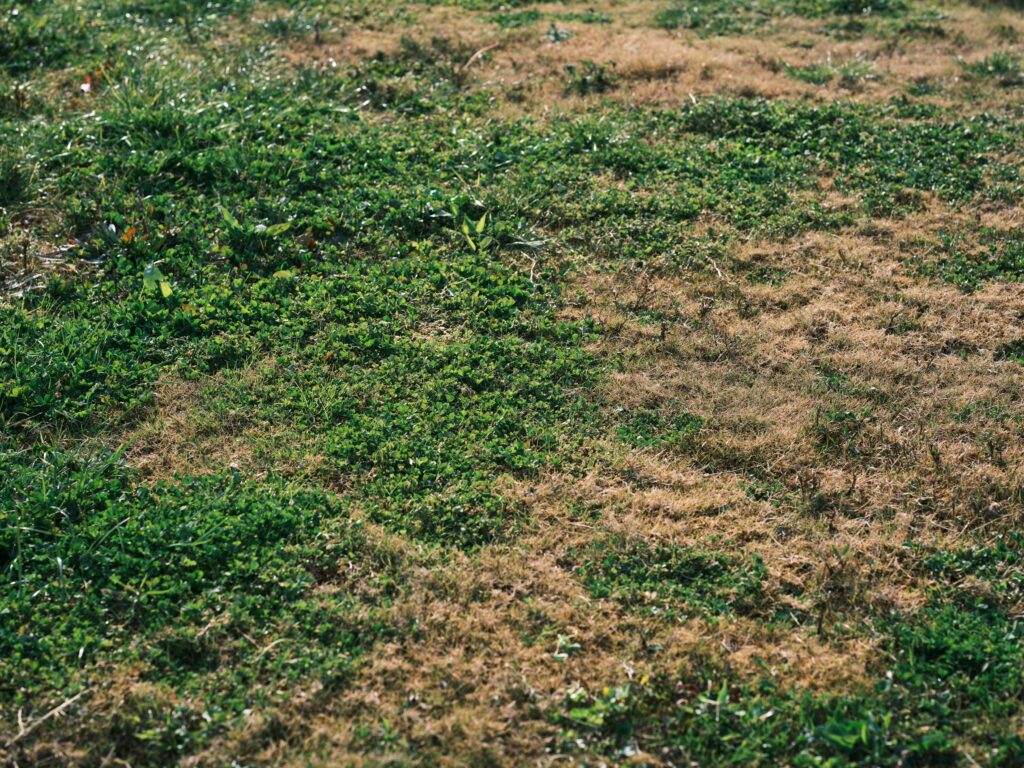
Bare patches can make an otherwise healthy lawn look thin, uneven, and neglected. The good news is that fall is one of the best times to repair bare spots before winter arrives.
Cooler temperatures and regular rainfall can create good conditions for grass seed to get established. Taking care of bare patches in the fall can also give your lawn a better chance of filling in before next spring and summer.
Whether the damage comes from foot traffic, pets, drought, insects, disease, or compacted soil, the first step is figuring out why the grass disappeared. Once you address the cause, you can repair the area and help prevent the problem from coming back. And remember – there are professionals who can help!
Why Do Bare Patches Appear in a Lawn?
There are several reasons why grass can die or become thin. Some bare patches are caused by normal wear and tear, while others can point to an underlying lawn problem.
Common causes include:
- Heavy foot traffic
- Pets using the same area repeatedly
- Drought or underwatering
- Compacted soil
- Poor drainage
- Insects or lawn diseases
- Too much shade
- Soil erosion
- Excessive thatch
- Spilled chemicals or other lawn damage
Before reseeding, take a few minutes to look at the surrounding grass. If the area is still struggling, simply adding seed may not solve the problem.
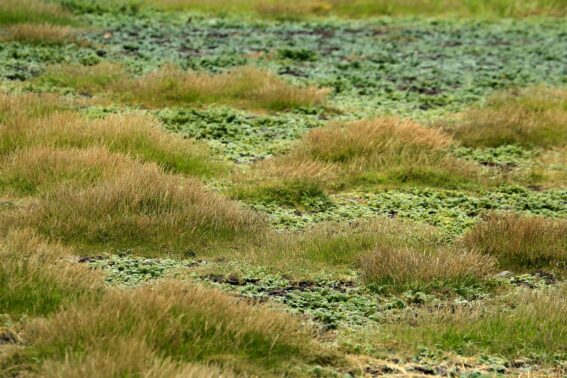
Step 1: Remove Dead Grass and Debris
Start by cleaning up the bare area. Remove dead grass, leaves, sticks, and other debris.
Use a rake to loosen the surface and remove any dead material that is preventing new seed from making contact with the soil.
You do not need to completely strip the area if there is some healthy grass remaining. The goal is to create a clean surface where new grass seed can reach the soil.
Look for Signs of a Bigger Problem
Before moving on, inspect the area for anything that could have caused the grass to die.
Look for:
- Insect activity
- Mushy or constantly wet soil
- Compacted soil
- Signs of fungal disease
- Excessive thatch
- Damage from pets
- Areas where water collects
If the same spot repeatedly becomes bare, it is worth addressing the underlying issue instead of reseeding it over and over.
Step 2: Loosen Compacted Soil
Compacted soil can make it difficult for grass roots to get the water, air, and nutrients they need.
If the soil in the bare patch is hard and difficult to work with, loosen it before putting down seed.
For a small area, you can use a hand rake or garden tool to break up the top layer of soil. For larger lawn problems, core aeration can help relieve compaction across the entire lawn.
Why Aeration Can Help
Lawn aeration creates small openings in compacted soil. This can improve the movement of water, air, and nutrients toward the roots.
Fall is often a good time to aerate cool-season lawns because the grass can recover and grow during the cooler weather.
Step 3: Add Soil or Compost if Needed
If the bare patch is low, damaged, or has poor-quality soil, adding a small amount of good-quality topsoil or compost can help create a better growing environment.
Spread it evenly over the area and avoid creating a large mound that sits noticeably higher than the surrounding lawn.
If your lawn has widespread soil problems, it may be better to have the soil assessed rather than simply adding more material to individual bare spots.
Step 4: Choose the Right Grass Seed
Choosing the right grass seed is an important part of repairing bare patches.
Try to match the new seed to the type of grass already growing in your lawn. You should also consider how much sunlight the area receives.
A shady area may need a different grass seed mix than a section that receives several hours of direct sunlight.
How Much Grass Seed Should You Use?
Follow the application rate on the seed packaging. Using too little seed can leave the area thin, while putting down too much can cause seedlings to compete with each other for water and nutrients.
Spread the seed evenly across the prepared soil. For a small bare patch, you can usually spread it by hand.
After spreading the seed, gently rake the area so the seed has good contact with the soil.
Step 5: Water the New Seed
Water is one of the most important parts of repairing bare patches.
Keep the soil consistently moist while the new grass is germinating. This does not mean soaking the area constantly. The goal is to prevent the seed and young seedlings from drying out.
Rain can help, but keep an eye on the weather. If conditions are dry, you may need to water the area yourself.
As the new grass becomes established, gradually adjust your watering routine to encourage deeper root growth.
Step 6: Protect the Area From Traffic
Try to keep people, pets, and equipment off the newly seeded area as much as possible.
Walking over fresh seed can disturb it before it has a chance to germinate. Pets can also dig up seed or repeatedly damage the same section of lawn.
If the bare patch is in a high-traffic area, consider whether you need to change how that part of the yard is used.
When Is the Best Time to Fix Bare Patches?
For cool-season lawns, early fall is generally a good time for lawn repair because temperatures are cooler and grass can establish before winter.
The exact timing depends on local weather conditions. You want to give the new grass enough time to germinate and establish before the ground freezes.
Avoid waiting until the very end of fall if temperatures are already dropping quickly.
What If the Bare Patch Is Caused by Shade?
Some areas simply do not receive enough sunlight for grass to grow well.
If a bare patch is located underneath a large tree or beside a structure that blocks sunlight, reseeding may only provide a temporary fix.
You may need to consider a shade-tolerant grass variety or another landscaping solution that is better suited to the area.
What If Bare Patches Keep Coming Back?
Repeated bare patches are usually a sign that something else needs attention.
If you repair the same area every year, consider:
- Testing the soil
- Improving drainage
- Aerating compacted areas
- Adjusting watering
- Checking for pests or disease
- Using a more suitable grass seed
- Reducing foot traffic
- Addressing excessive shade
Finding the cause can save you time and money in the long run.
Should You Fertilize After Repairing Bare Spots?
A fall fertilizer application can support overall lawn health, but avoid automatically adding large amounts of fertilizer to a newly seeded patch.
Follow the recommendations on your grass seed and fertilizer products and avoid overapplication. Too much fertilizer can damage young grass and contribute to other lawn problems.
If you are unsure what your lawn needs, a professional lawn care or landscaping service can help assess the condition of your property.
FAQs About How to Fix Bare Patches in Your Lawn Before Winter
Can you fix bare patches in a lawn in the fall?
Yes. Fall is often a good time to repair bare patches in cool-season lawns. Cooler temperatures and suitable growing conditions can help new grass establish before winter.
How do I fix bare patches in my lawn before winter?
Remove dead grass and debris, loosen compacted soil, add soil or compost if needed, spread appropriate grass seed, gently rake it into the soil, and keep the area consistently moist while the seed germinates.
Should I aerate before fixing bare patches?
Aeration can help when compacted soil is contributing to lawn problems. For a few small bare spots, you may only need to loosen the soil in those areas. Larger areas of compaction may benefit from core aeration.
Can I just throw grass seed on bare spots?
You can spread seed over a bare spot, but preparing the soil first usually gives you a better chance of success. Remove dead material, loosen the soil, and make sure the seed has good contact with the ground.
How often should I water new grass seed?
Keep the soil consistently moist while the seed is germinating. Avoid letting it dry out, but also avoid creating standing water. Once the grass becomes established, watering can be adjusted to encourage deeper roots.
Will grass seed grow before winter?
It can, depending on the type of grass, planting time, soil temperature, and weather. Seeding earlier in the fall gives cool-season grass more time to establish before freezing temperatures arrive.
Why does my lawn keep getting bare patches?
Recurring bare patches can be caused by compacted soil, heavy traffic, pets, pests, disease, poor drainage, drought, or insufficient sunlight. Identifying the cause is important if you want to prevent the problem from returning.
Should I cover grass seed after putting it down?
Grass seed does not always need to be covered, but gently raking it into the soil can improve seed-to-soil contact. A thin layer of suitable soil or compost can also help protect the seed from drying out or being washed away.
Can Sunready Landscaping help fix bare patches?
Sunready Landscaping can help homeowners with lawn care and landscaping needs, including maintaining healthy outdoor spaces and addressing lawn problems. If you have large or recurring bare patches, professional help can make it easier to identify the underlying issue and determine the appropriate repair.
What landscaping services does Sunready Landscaping offer?
Sunready Landscaping provides landscaping and property maintenance services for homeowners looking to maintain and improve their outdoor spaces. Contact Sunready Landscaping directly to discuss your property and find out which services are available for your specific needs.
Why hire Sunready Landscaping for lawn and landscaping work?
Professional landscaping can save homeowners time and help them address lawn and property problems before they become bigger issues. Sunready Landscaping can help with ongoing landscape maintenance and improvements so homeowners can spend less time working on their yard and more time enjoying it.
Get Your Lawn Ready for Winter
Bare patches do not have to stay bare all winter. Fall gives you an opportunity to repair damaged areas, improve the soil, reseed thin spots, and give your lawn a better start for next spring.
The key is to deal with the reason the grass died instead of simply covering the problem with more seed. With the right preparation, watering, and fall lawn care, those bare spots can become healthy grass again.
And for those who don’t want to do it themselves, ask the professionals for help!