
 Home
Home (647) 779-5798
Winter in the Greater Toronto Area (GTA) can be tough on your lawn. Months of snow, ice, salt, and fluctuating temperatures leave many homeowners dealing with patchy grass, dead spots, and compacted soil by April. If your lawn looks rough right now, don’t worry—you’re not alone, and more importantly, it’s fixable.
This guide walks you through simple, effective steps to bring your lawn back to life and set it up for a strong growing season. And remember, for those who don’t want to do it themselves – the professionals are always here to help!
Why Lawns Struggle After Winter
Before you start fixing your lawn, it helps to understand what caused the damage in the first place.
Common Winter Lawn Problems
- Snow mold caused by long periods under snow
- Salt damage from sidewalks and roads
- Soil compaction from heavy snow buildup
- Dead patches due to lack of sunlight and airflow
- Damage from freeze-thaw cycles
These issues weaken your grass and make it harder for new growth to come in naturally.
Step 1: Start with a Gentle Rake
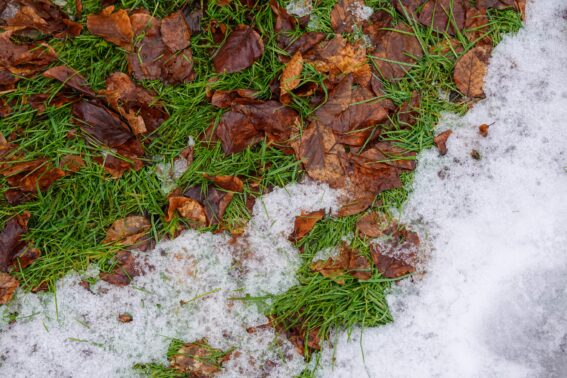
Clear Away Debris
Begin by removing anything sitting on your lawn:
- Leaves
- Twigs
- Dead grass
- Garbage or leftover yard waste
Use a soft or leaf rake and avoid being too aggressive.
Why This Step Matters
Raking improves airflow and allows sunlight to reach the soil. This helps your grass wake up faster after winter dormancy.
Step 2: Deal with Snow Mold and Dead Spots
How to Spot It
Look for:
- Grey or white patches
- Flattened grass areas
- Slimy or matted sections
How to Fix It
- Lightly rake the affected areas
- Let them dry out completely
- Avoid stepping on these spots too much
Most cases will recover on their own once conditions improve.
Step 3: Fix Compacted Soil
Winter conditions often leave soil packed down and hard.
How to Loosen Soil
- Use a garden fork or manual aerator
- Focus on high-traffic areas
- Work when the soil is damp—not soaked
Benefits of Aeration
- Improves root growth
- Helps water soak in properly
- Increases oxygen in the soil
Step 4: Overseed Bare Areas
When to Overseed
April is ideal once temperatures consistently stay above 10°C.
How to Overseed Properly
- Rake the area lightly
- Spread grass seed evenly
- Add a thin layer of topsoil
- Water gently but consistently
Best Seed Choices
Use a mix designed for Ontario climates, such as:
- Kentucky bluegrass
- Perennial ryegrass
- Fine fescue
Step 5: Fertilize at the Right Time
Don’t Rush It
Wait until your lawn shows active growth before applying fertilizer.
Best Practices
- Use slow-release fertilizer
- Apply evenly across the lawn
- Water after application
Too much fertilizer too early can actually harm your lawn.
Step 6: Repair Salt Damage
Salt is a major issue in GTA lawns, especially near sidewalks and driveways.
How to Fix Salt Damage
- Flush the area with water to dilute salt
- Remove dead grass
- Add fresh soil
- Reseed
Prevent It Next Winter
- Use sand or eco-friendly de-icers
- Create barriers along edges
Step 7: Water Properly
Spring often provides enough moisture, but you still need to monitor conditions.
Watering Tips
- Water lightly and consistently
- Avoid overwatering
- Water early in the morning
Common Mistakes to Avoid
- Raking too aggressively
- Walking on wet or soft soil
- Seeding too early
- Over-fertilizing
These mistakes can slow down recovery or cause further damage.
FAQs About April Lawn Recovery
When should I start lawn repair in April?
As soon as the snow is gone and the ground is no longer frozen.
Will my lawn recover on its own?
Minor damage often does, but bare spots need reseeding.
How long does recovery take?
Typically 3–6 weeks with proper care.
Is aeration necessary every year?
Only if your soil is compacted or your lawn gets heavy use.
FAQs About Sunready Landscaping
Does Sunready Landscaping offer lawn recovery services?
Yes, they provide full spring lawn repair including aeration, overseeding, and fertilization.
Can they fix heavily damaged lawns?
Yes, from small patches to full lawn restoration.
Do they service the GTA?
Yes, they operate throughout the Greater Toronto Area.
April lawn recovery is the first step in a very long season, but it is worth it. For those, however, who don’t want to worry about this kind of thing, make sure to call in for some help from the professionals!