
 Home
 (647) 779-5798
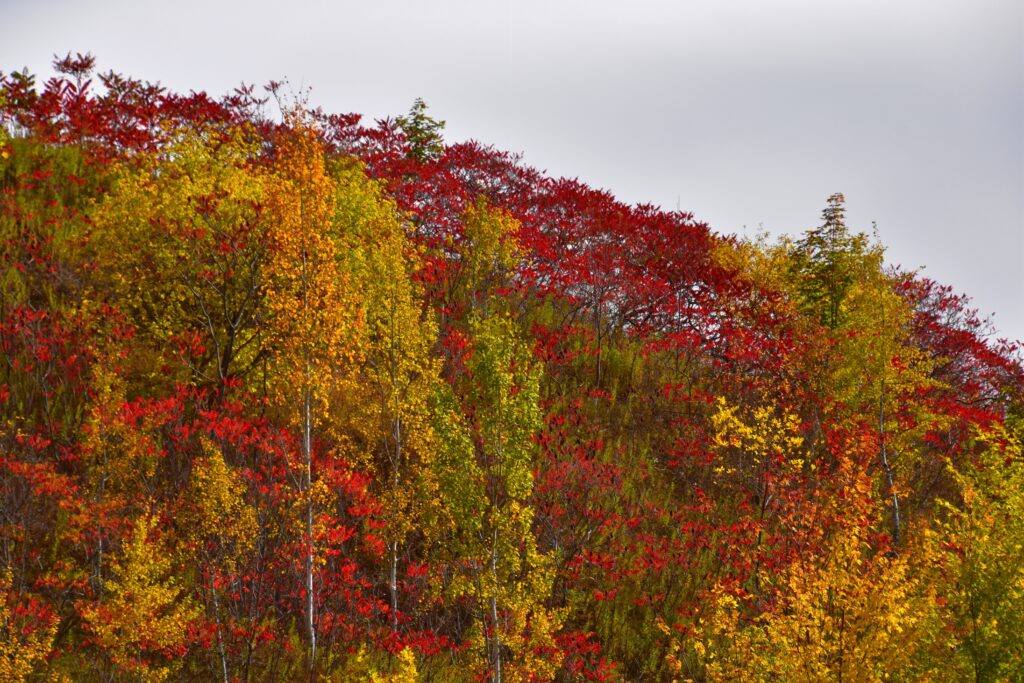
Fall is one of the best times of year to enjoy your landscape. As the temperatures cool and the leaves change colour, your yard can take on a completely different look. With the right seasonal plantings, you can fill your garden beds, containers, and front yard with warm shades of red, orange, yellow, purple, and bronze.
The good news is that you don’t need to redesign your entire yard to enjoy beautiful fall colour. A few well-chosen flowers, ornamental grasses, shrubs, and trees can make a big difference. Even small additions, such as a container of colourful chrysanthemums near your front door, can make your home feel more welcoming.
In Ontario, fall planting is also a great opportunity to refresh tired garden beds and prepare your landscape for the colder months ahead. By choosing plants that can handle cooler weather and arranging them thoughtfully, you can keep your outdoor space looking attractive well into October and beyond.
Here’s how to create stunning fall colour with seasonal plantings, which plants to choose, and how to keep your garden looking its best throughout the season. And for those who don’t want to do it themselves – ask the professionals!
Why Seasonal Plantings Are Perfect for Fall Colour
Seasonal plantings help bring new life to your yard when many summer flowers start to fade. They allow you to replace tired plants, introduce different textures, and make the most of the colours that naturally appear in autumn.
Extend Your Garden’s Colour Into Fall
Many summer annuals begin to struggle as temperatures drop. Replacing them with plants that thrive in cooler weather helps keep your garden looking fresh.
Chrysanthemums, ornamental kale, pansies, and asters are popular choices for adding colour during the fall season. Depending on the variety and weather conditions, these plants can provide flowers or attractive foliage well into autumn.
You can also use trees and shrubs to add longer-lasting colour. Some shrubs produce bright berries, while others develop red, orange, or purple foliage as the weather cools.
Improve Your Home’s Curb Appeal
Fall is an excellent time to make your front yard more inviting. Seasonal flowers around the entrance, colourful containers on the porch, and well-maintained garden beds can improve your home’s curb appeal without requiring a major landscaping project.
Try combining warm colours with evergreen plants and natural materials such as stone, wood, or decorative planters. This creates a balanced look that feels appropriate for the season.
Add Texture and Interest to Garden Beds
Colour isn’t the only thing that makes a fall garden attractive. Different plant shapes, leaf sizes, and textures can make your landscape more interesting.
For example, ornamental grasses provide movement and height, while compact flowering plants fill gaps near the front of garden beds. Evergreen shrubs add structure and help the other colours stand out.
Combining these features gives your yard a layered appearance that looks good from different angles.
The Best Plants for Stunning Fall Colour
Choosing the right plants is the first step toward creating a colourful autumn landscape. Look for varieties that suit your growing conditions and provide colour, texture, or structure during the fall months.
1. Chrysanthemums
Chrysanthemums, often called mums, are among the most popular fall flowers. They come in shades of yellow, orange, red, pink, purple, and white.
Their compact growth makes them ideal for containers, garden borders, and the area around your front entrance.
How to use them:
- Place pots of mums beside your front door.
- Group several colours together for a bold display.
- Plant them near ornamental grasses or evergreen shrubs.
- Use them to fill gaps left by fading summer annuals.
Choose healthy plants with plenty of unopened buds if you want to enjoy their flowers for longer. Mums generally perform best in sunny locations with well-drained soil.
Keep in mind that florist mums and certain container varieties may not survive winter outdoors reliably. If you want mums to return in future years, choose varieties suited to local conditions and give them the appropriate planting and winter care.
2. Pansies and Violas
Pansies and violas are useful choices for adding colour when the weather cools. They come in a wide range of colours, including purple, yellow, orange, blue, and white.
These compact plants work well in containers, window boxes, and the front edges of garden beds.
How to use them:
- Add pansies around the base of taller fall flowers.
- Combine purple and yellow varieties for contrast.
- Plant them in containers near outdoor seating areas.
- Use violas to fill smaller spaces between established plants.
Many varieties can tolerate light frost, although hardiness depends on the variety and growing conditions. Regular watering and good drainage help them stay healthy.
3. Ornamental Kale and Cabbage
Ornamental kale and cabbage are grown mainly for their colourful leaves rather than their flowers. Their foliage can develop shades of purple, pink, white, and green as temperatures cool.
They work especially well in containers and formal garden displays because their compact shape creates a strong focal point.
How to use them:
- Place them in the centre of a container arrangement.
- Surround them with pansies or trailing plants.
- Use them to add texture to garden beds.
- Combine their cool colours with orange and yellow flowers.
These plants generally become more colourful in cool weather. They can tolerate light frost, but prolonged freezing temperatures will eventually damage them.
4. Asters
Asters produce daisy-like flowers in shades of purple, pink, blue, and white. They are a useful way to extend flowering in perennial garden beds as many summer blooms begin to disappear.
Asters also provide nectar for late-season pollinators when suitable weather allows them to remain active.
How to use them:
- Plant asters in sunny garden beds.
- Combine purple flowers with golden ornamental grasses.
- Use taller varieties toward the back of a border.
- Pair them with shrubs that develop colourful autumn foliage.
Choose varieties suited to your space, as some asters spread or grow quite tall. Leave enough room for mature growth and good airflow.

5. Ornamental Grasses
Ornamental grasses add movement, height, and texture to fall landscapes. Many varieties develop golden, bronze, copper, or reddish tones as the season progresses.
Their seed heads can also remain attractive after flowering plants have faded.
How to use them:
- Plant grasses in groups for a natural look.
- Place taller varieties behind smaller flowering plants.
- Use them to soften the edges of walkways.
- Combine their fine texture with broad-leaved plants such as ornamental kale.
Choose grasses based on their mature size and growing requirements. Some varieties spread aggressively, so check their growth habits before planting.
6. Shrubs With Colourful Fall Foliage or Berries
Shrubs can provide some of the most impressive fall colour in a landscape. Unlike seasonal flowers that may last only a few weeks, many shrubs offer interest year after year.
Consider options such as:
- Burning bush: Known for its vivid red fall foliage, although it is invasive in many areas and should generally be avoided in Ontario.
- Red-twig dogwood: Provides colourful stems that become especially noticeable after the leaves drop.
- Ninebark: Offers attractive foliage and interesting bark, with colour depending on the variety.
- Serviceberry: Can produce attractive fall foliage, along with flowers and berries at other times of year.
- Native sumacs: Some species provide striking red and orange foliage, along with distinctive seed heads.
Whenever possible, choose non-invasive plants suited to Ontario’s climate. Native shrubs can be especially useful because they may support local wildlife and fit naturally into regional landscapes.
7. Trees With Brilliant Autumn Foliage
If you have room for larger plants, trees can provide dramatic seasonal colour across your entire property.
Maples are well known for their fall foliage, while serviceberry and some oak varieties can offer attractive autumn colours as well.
When choosing a tree, consider its mature height and spread, soil preferences, and available space. Planting a suitable tree can improve your landscape for decades, not just one season.
How to Combine Colours for a Beautiful Fall Garden
Choosing colourful plants is only part of the process. How you arrange them can make the difference between a garden that feels coordinated and one that looks cluttered.
Use Warm Colours for a Classic Autumn Look
Red, orange, yellow, and bronze are traditional fall colours. They create a warm, welcoming atmosphere that works especially well near entrances, patios, and walkways.
For example, combine orange chrysanthemums with yellow flowers and bronze ornamental grasses. Add a few dark green shrubs to provide contrast and keep the arrangement from looking too busy.
You don’t need to use every colour at once. Choosing two or three main shades often creates a more balanced display.
Combine Warm and Cool Colours
Purple, blue, and white flowers can balance the stronger colours of autumn.
Try pairing purple asters with golden grasses or white pansies with orange chrysanthemums. The contrast helps individual plants stand out without overwhelming the space.
If you prefer a softer look, use muted shades such as burgundy, cream, dusty pink, and bronze.
Follow the Thriller, Filler, and Spiller Method
This simple container gardening technique helps you create attractive fall planters.
Thriller: Choose one taller plant that creates a focal point, such as an ornamental grass.
Filler: Add compact plants that fill the middle of the container, such as chrysanthemums or ornamental kale.
Spiller: Finish with a trailing plant that hangs over the edge, where appropriate for the season and your climate.
This approach creates height, fullness, and movement in a single container.
For an October display, you could use a compact ornamental grass as the thriller, purple pansies as the filler, and a suitable trailing plant as the spiller.
Make sure all plants in the container have similar light and watering requirements.
Repeat Plants for a More Professional Look
Repeating the same plants throughout your yard helps create a consistent design.
For example, use orange mums in containers near your entrance and repeat the same colour in a nearby garden bed. Or plant matching groups of ornamental grasses along a walkway.
Repeating a few colours and plant types creates a sense of unity without requiring a complicated design.
Where to Add Seasonal Plantings Around Your Property
You can introduce fall colour in almost any part of your yard. The best locations are often the places you see most frequently or where a little colour will have the greatest visual impact.
Front Entrance and Porch
Your front entrance is one of the easiest places to create a seasonal display.
Use large containers filled with mums, ornamental kale, and other cool-weather plants. Add pumpkins or decorative branches if you want a more traditional autumn look.
Keep the arrangement proportional to your entrance. A large porch can handle several containers, while a small doorway may look better with two matching planters.
Garden Beds and Borders
Garden beds are ideal for combining seasonal flowers with permanent landscape features.
Place taller plants toward the back, medium-height plants in the middle, and low-growing flowers toward the front. This arrangement makes it easier to see each plant and creates a layered appearance.
If you already have shrubs and perennials, add seasonal flowers in open spaces rather than disturbing established plants unnecessarily.
Walkways and Driveways
Seasonal plantings can soften the hard edges of walkways and driveways.
Use low-growing plants near paths to add colour without blocking visibility or making the walkway difficult to use. Containers can also be placed beside entrances, provided they don’t obstruct access.
For a neat appearance, repeat the same plants or colours along the length of the path.
Patio and Outdoor Living Areas
Even when the weather cools, your patio can still benefit from a few colourful plants.
Place containers near seating areas, along the edges of a deck, or beside steps. Ornamental grasses can add movement, while compact flowering plants bring colour close to where people gather.
Remember that outdoor containers may need more frequent moisture checks than garden beds, even during fall.
How to Plant and Care for Seasonal Flowers in October
October planting can be successful, but cooler temperatures mean you should pay attention to timing and plant selection.
Choose Healthy Plants
Look for plants with healthy foliage, strong stems, and no obvious signs of disease or pests.
For chrysanthemums, choose plants with a mix of open flowers and unopened buds. For pansies and violas, look for compact growth and healthy leaves.
Avoid plants that are badly wilted or have damaged roots.
Prepare Containers and Garden Beds
Use containers with drainage holes to prevent water from collecting around the roots. Fill them with a suitable potting mix rather than ordinary garden soil, which can become compacted in containers.
For garden beds, remove weeds and loosen the soil where needed. Avoid working the soil when it is very wet, as this can damage its structure.
Water Regularly
Cooler weather often reduces water loss, but newly planted flowers still need moisture.
Check containers and garden beds regularly. Water when the soil begins to dry out, and avoid leaving plant roots sitting in water.
Containers may dry out more quickly than garden beds, especially on windy days.
Protect Plants From Early Frost
Ontario can experience frost during October, so check the forecast before temperatures drop.
Cover tender plants with a suitable frost blanket or fabric cover before sunset. Keep the material from pressing heavily against the foliage and remove it when conditions warm up.
Some plants, including many pansies and ornamental cabbages, can tolerate light frost. Tender flowers may need more protection or may not last much longer once freezing weather becomes regular.
Add Mulch Where Appropriate
Mulch helps insulate soil, retain moisture, and reduce temperature swings around plant roots.
A layer around 5 to 8 centimetres deep is generally suitable for many garden beds, depending on the material and plant. Keep mulch away from trunks and stems.
Remember that mulch protects the soil more than it protects exposed flowers and leaves. Use frost covers for sensitive foliage when necessary.
Common Mistakes to Avoid When Creating Fall Colour
A few simple adjustments can help your seasonal planting display last longer and look better.
Choosing Plants That Can’t Handle the Weather
Not every fall flower can tolerate freezing temperatures. Before planting, check whether the variety can handle your local conditions.
If you want colour through late October, choose plants known for cool-weather performance and have a plan to protect them when frost is expected.
Overcrowding Garden Beds
It’s tempting to pack a garden bed with colourful flowers, but overcrowding can restrict airflow and make plants compete for water and nutrients.
Check the recommended spacing for each plant and leave enough room for mature growth.
You can still create a full appearance by grouping plants thoughtfully without squeezing them too tightly together.
Ignoring Sunlight and Drainage
A plant that thrives in full sun may struggle in a shady corner. Likewise, plants that prefer well-drained soil may develop problems in a spot where water collects.
Match each plant to the conditions in your yard. This simple step helps reduce maintenance and keeps your seasonal display healthier.
Forgetting About Winter Preparation
Some plants can handle light frost but won’t survive a long Ontario winter. Container plants may need to be moved, tender bulbs may need to be lifted, and certain shrubs may benefit from protection.
Think about what will happen after the flowers fade, not just how the display looks today.
Should You Hire a Professional for Fall Landscaping?
Seasonal planting can be a simple DIY project, but a professional can help when you want a more coordinated result or need to update several parts of your yard.
A landscaping professional can help with plant selection, colour combinations, garden bed preparation, and the placement of trees and shrubs. They can also help you choose plants suited to your property’s soil, sunlight, and maintenance requirements.
If you’re planning a larger landscape refresh, fall is a useful time to identify areas that need improvement before spring arrives.
Sunready Landscaping is a business you can contact to discuss your landscaping needs and find out which services are currently available. Ask about your specific project, whether it involves seasonal plantings, garden bed improvements, or a broader landscape update.
For homeowners who want a colourful yard without managing every detail themselves, professional guidance can make the planning process easier.
FAQs About Creating Stunning Fall Color with Seasonal Plantings
What are the best flowers to plant in fall in Ontario?
Chrysanthemums, pansies, violas, asters, and ornamental kale are popular choices for fall colour in Ontario.
The best option depends on your location, the expected temperatures, sunlight, and soil conditions. Some plants tolerate light frost, while others need protection when temperatures approach freezing.
How do I make my garden colourful in October?
Choose cool-weather plants that provide colourful flowers or foliage, such as chrysanthemums, pansies, ornamental kale, and asters.
Combine them with ornamental grasses, evergreen shrubs, and trees with attractive fall foliage. Repeating a few colours throughout your yard can help create a coordinated look.
What plants can survive frost in Ontario?
Some pansies, violas, hardy perennials, and cool-season vegetables can tolerate light frost. Many established trees and shrubs are also adapted to Ontario’s colder climate.
However, frost tolerance varies by species and variety. Tender annuals, tropical plants, and warm-season vegetables are generally more vulnerable and may need covering or indoor protection.
How do I protect fall flowers from frost?
Cover sensitive flowers with a frost blanket or suitable fabric before temperatures drop. Secure the covering so it traps warmth around the plants, and remove it when the weather warms up.
Potted plants can often be moved into a sheltered or frost-free area. Check the forecast regularly during October so you can prepare ahead of time.
Can I plant flowers in October?
Yes, many cool-season flowers can be planted in October, provided the soil is workable and the plants have suitable growing conditions.
Pansies and violas are common choices for fall planting, while chrysanthemums can provide immediate seasonal colour. However, planting late in the month may limit how long plants have to establish before winter.
How do I choose colours for fall garden beds?
Start with two or three main colours. Warm shades such as red, orange, yellow, and bronze create a traditional autumn display, while purple, white, and blue can provide contrast.
Use evergreen foliage and ornamental grasses to add structure. Repeating the same plants or colours throughout the yard helps create a balanced design.
Are chrysanthemums perennials in Ontario?
Some chrysanthemums are hardy perennials, but many mums sold in containers are grown primarily for seasonal colour and may not survive winter reliably.
If you want mums to return the following year, choose a variety suited to your climate, plant it early enough for root establishment where appropriate, and provide suitable winter care.
What are the best shrubs for fall colour?
Suitable options include serviceberry, ninebark, red-twig dogwood, and certain native sumacs. Different shrubs provide different types of interest, including colourful foliage, berries, and winter stems.
Choose non-invasive species suited to your property and local climate. Avoid burning bush in Ontario because of its invasive potential.
How can I create fall colour on a budget?
You can create a colourful fall display without replacing your entire garden.
Start by refreshing existing containers, dividing suitable perennials, adding a few chrysanthemums, or planting pansies in empty spaces. Repeating a small selection of colours can make a modest planting look coordinated.
You can also use existing shrubs and ornamental grasses as the foundation for your seasonal display.
What landscaping services does Sunready Landscaping offer?
Sunready Landscaping is the business referenced in this article. For the most accurate information about its services, consult its official website or contact the company directly.
Ask whether it offers the specific services you’re interested in, such as seasonal planting, garden bed improvements, tree and shrub planting, or landscape design.
How can I contact Sunready Landscaping about a fall planting project?
Contact Sunready Landscaping through its official website or business contact channels to discuss your project.
Describe the areas you’d like to improve, your preferred plants or colours, and any maintenance concerns. The company can confirm its current service area, availability, pricing, and the services it provides.
Bring Your Landscape to Life This Fall
Creating stunning fall colour with seasonal plantings doesn’t have to be complicated. By choosing cool-weather flowers, adding shrubs and ornamental grasses, and combining colours thoughtfully, you can keep your yard attractive as summer fades.
Start with the areas that need the most attention, such as your front entrance, garden beds, or patio. Choose plants suited to Ontario’s fall weather, water them as needed, and prepare for early frost before temperatures drop.
A little planning now can make your landscape more inviting through autumn and help you identify improvements for next spring.
If you’d like to take your yard a step further, consider making a seasonal planting plan or reaching out to a landscaping professional for help choosing plants and creating a coordinated design. And for those who don’t want to do it themselves – ask the professionals!