
 Home
Home (647) 779-5798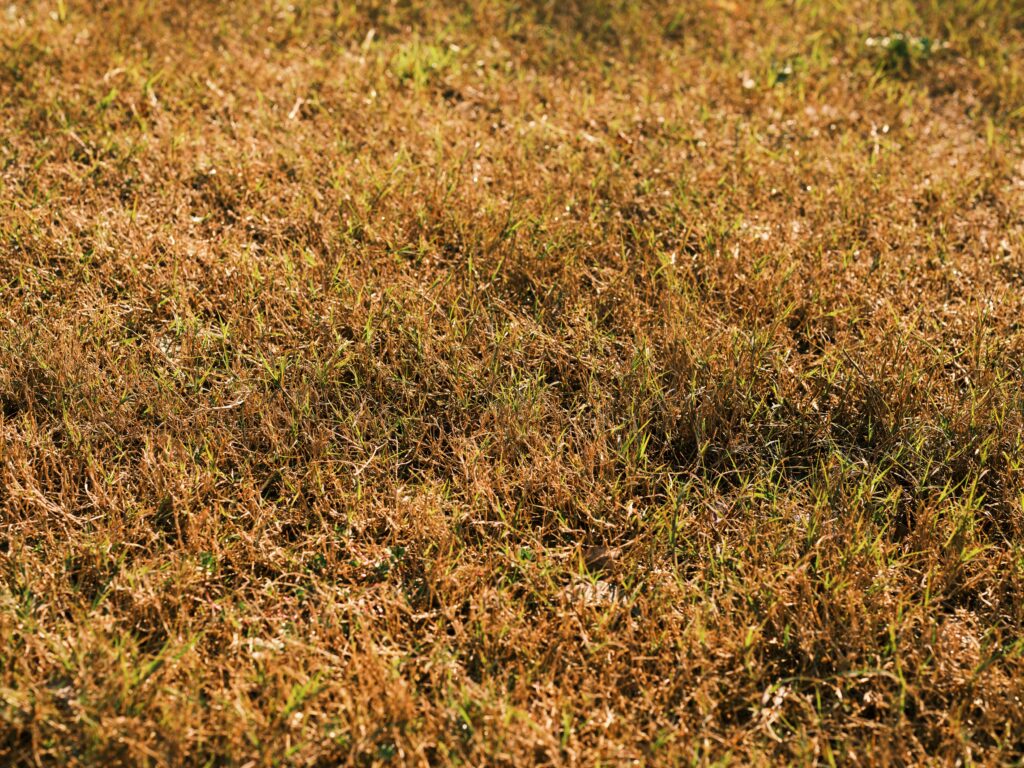
August is one of the toughest months of the year for your lawn. Between hot temperatures, humid weather, dry spells, and sudden heavy rain, grass can get stressed very quickly. And when grass is stressed, it becomes the perfect target for fungal lawn diseases.
These diseases can show up as brown patches, thinning grass, weird circular spots, or even dead areas that seem to spread overnight. The frustrating part is that many homeowners don’t notice the problem until it has already done some damage.
The good news? Most lawn diseases are preventable. With the right lawn care habits, you can keep your yard healthy and green even during the hottest part of summer.
In this guide, we’ll break down the 5 most common lawn diseases that appear in August, what causes them, how to spot them early, and most importantly—how to prevent them. And for those who don’t want to do it themselves – come to the professionals for help!
Why Lawn Diseases Are So Common in August
Before we jump into the diseases, it helps to understand why August is such a problem month for lawns.
During this time, several stress factors hit at once:
- High daytime heat
- Humid nights that keep grass wet longer
- Heavy morning dew
- Inconsistent rainfall (either drought or sudden storms)
- Overwatering from homeowners trying to “save” dry grass
- Fertilizer mistakes (too much nitrogen in summer)
Fungi are already present in most lawns. They don’t become a problem until grass weakens or moisture conditions allow them to spread fast.
That’s why healthy lawn maintenance is the best defense.
1. Brown Patch
Brown Patch is one of the most common and frustrating lawn diseases in late summer.
What It Looks Like
You’ll usually notice:
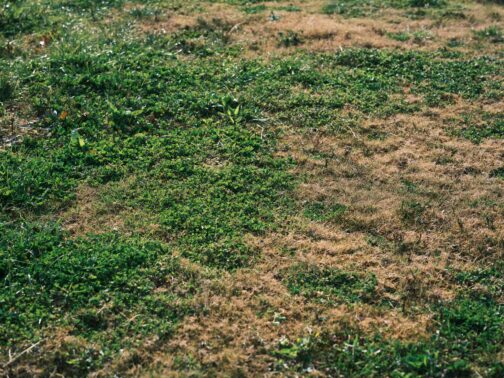
- Large circular brown or tan patches
- Grass that looks thin or dead in spots
- A darker “smoky” ring around the edges early in the morning
- Grass blades that feel soft and pull out easily
It spreads quickly in warm, humid weather—especially when nighttime temperatures stay above 68°F.
Why It Happens
Brown Patch thrives when:
- The lawn stays wet overnight
- There is too much nitrogen fertilizer
- Air circulation is poor
- Grass is stressed from heat or drought
How to Prevent Brown Patch
Here’s how to stop it before it starts:
- Water early in the morning (never at night)
- Avoid heavy fertilizer in summer
- Keep grass at the proper mowing height
- Use sharp mower blades
- Reduce thatch buildup so air can move through the soil
A well-maintained lawn can often recover quickly if Brown Patch appears early.
2. Dollar Spot
Dollar Spot gets its name from the small silver-dollar-sized patches it creates across the lawn.
What It Looks Like
- Small, round straw-colored spots
- Bleached or dry-looking grass blades
- Web-like fungal growth in the early morning
- Spots that merge into larger damaged areas
Why It Happens
Dollar Spot is often linked to:
- Low nitrogen levels in the soil
- Frequent light watering
- Morning dew that stays on grass too long
- Dry or stressed turf
How to Prevent Dollar Spot
To reduce risk:
- Feed your lawn with balanced fertilizer when needed
- Water deeply but less often
- Avoid drought stress
- Mow at the correct height
- Remove excess thatch buildup
Healthy, well-fed grass is much more resistant to Dollar Spot.
3. Summer Patch
Summer Patch is a more serious lawn disease because it attacks the roots—not just the grass blades.
What It Looks Like
- Large circular patches (sometimes several feet wide)
- Brown grass with green edges
- “Frog-eye” pattern with dead centers
- Grass that doesn’t improve after watering
Why It Happens
This disease develops after long periods of heat stress and is often linked to:
- Compacted soil
- Weak root systems
- Overwatering or poor drainage
- Excessive summer fertilization
How to Prevent Summer Patch
Prevention focuses on root health:
- Water deeply during dry periods
- Aerate compacted soil regularly
- Avoid heavy fertilizer in summer
- Don’t cut grass too short
- Encourage deep root growth
Strong roots = a stronger, more disease-resistant lawn.
4. Red Thread
Red Thread is more common in spring and fall, but it can still show up in August during cool, damp conditions.
What It Looks Like
- Pink or red thread-like strands on grass blades
- Irregular tan or light brown patches
- Thin, weak-looking turf
- Slow recovery after mowing or rain
Why It Happens
Red Thread is usually caused by:
- Low nitrogen levels
- High humidity
- Poor air circulation
- Overwatered lawns
How to Prevent Red Thread
To keep it away:
- Fertilize appropriately (don’t skip nutrients)
- Avoid overwatering
- Improve drainage in low areas
- Use sharp mower blades
- Don’t leave thick clumps of clippings
Most lawns recover naturally once conditions improve, but prevention is key.
5. Rust Disease
Rust Disease often shows up late in summer when grass growth slows down.
What It Looks Like
- Orange or yellow powder on grass blades
- Rust-colored dust on shoes or mower wheels
- Thin, weak turf
- Slower-than-normal grass growth
Why It Happens
Rust usually appears when:
- Grass is under stress
- Nitrogen levels are low
- Growth has slowed due to heat or drought
- Lawn is not being mowed regularly
How to Prevent Rust Disease
You can reduce risk by:
- Fertilizing when appropriate
- Watering deeply during dry spells
- Mowing regularly
- Improving soil health
- Overseeding thin areas in early fall
Rust often disappears once the lawn starts growing strongly again.
Simple Lawn Care Habits That Prevent Most Diseases
Even though each disease is different, the prevention steps are very similar. These habits make the biggest difference:
Water Early in the Morning
This is one of the most important rules.
Morning watering allows grass to dry during the day. Evening watering leaves moisture sitting overnight, which encourages fungus.
Mow at the Right Height
Never cut more than one-third of the grass blade at once.
Taller grass:
- Has deeper roots
- Handles heat better
- Resists disease more effectively
Keep Mower Blades Sharp
Dull blades tear grass instead of cutting it cleanly. Those tears make it easier for disease to enter.
Don’t Overfertilize in Summer
Too much fertilizer during hot weather can stress grass and make disease worse. Follow seasonal recommendations instead of guessing.
Improve Drainage
Standing water is a major cause of lawn disease.
Core aeration and proper grading help water move through the soil instead of sitting on top.
Reduce Thatch
Thatch traps moisture and creates a perfect environment for fungus.
Regular aeration and dethatching keep your lawn healthier overall.
What to Do If You Notice Lawn Disease
If you see suspicious patches or discoloration:
- Identify the problem early
- Stop evening watering immediately
- Reduce stress on the lawn
- Avoid unnecessary fertilizer
- Clean up thick clippings
- Call a professional if it spreads quickly
The earlier you act, the easier it is to fix.
When to Call a Professional Like Sunready Landscaping
Sometimes lawn diseases look similar to drought stress, insect damage, or even pet spots. That’s where professional help makes a big difference.
Sunready Landscaping can:
- Inspect your lawn and identify the exact problem
- Recommend the right treatment plan
- Improve long-term lawn health
- Help prevent future disease outbreaks
- Provide seasonal maintenance like mowing, aeration, and cleanups
If your lawn keeps developing brown patches or you’re unsure what’s wrong, getting expert help can save you time and money in the long run.
Final Thoughts
August is a stressful month for lawns, but it doesn’t have to mean disaster. Most lawn diseases happen because of small maintenance mistakes combined with hot, humid weather.
By watering correctly, mowing properly, avoiding overfertilizing, and watching for early warning signs, you can keep your lawn healthy all summer long.
And if problems do show up, acting fast is the key to preventing long-term damage.
FAQs About 5 Common Lawn Diseases That Appear in August and How to Prevent Them
What is the most common lawn disease in August?
Brown Patch is one of the most common because it thrives in hot, humid conditions and spreads quickly in stressed lawns.
Can lawn diseases kill grass permanently?
Most lawn diseases do not kill grass permanently if caught early. However, severe or untreated infections can cause long-term thinning or dead patches.
Does overwatering cause lawn disease?
Yes, overwatering—especially in the evening—creates wet conditions that allow fungus to grow and spread.
Should I mow a lawn with disease?
Yes, but only when the grass is dry. Always use sharp blades and clean your mower afterward to avoid spreading spores.
Can fertilizer help prevent lawn disease?
Yes, but only when used correctly. Balanced fertilization strengthens grass, but too much nitrogen in summer can increase disease risk.
How do I tell if my lawn has disease or drought stress?
Disease usually creates patterns like circles or patches. Drought stress tends to affect larger, more uniform areas and often improves after deep watering.
When should I call Sunready Landscaping?
If you notice spreading brown patches, recurring lawn issues, or you’re unsure what’s causing damage, Sunready Landscaping can diagnose the problem and recommend the right solution.
Does Sunready Landscaping offer ongoing lawn care?
Yes, Sunready Landscaping provides seasonal lawn maintenance services including mowing, aeration, cleanups, and general lawn health care.
Can Sunready Landscaping help prevent lawn diseases?
Absolutely. Regular professional maintenance is one of the best ways to prevent lawn diseases by keeping grass healthy, properly cut, and well-maintained throughout the year. And remember – the professionals are here to help!