
 Home
Home (647) 779-5798
April is one of the most important months for your yard. Before you start planting flowers, vegetables, or shrubs, you need to prepare your space properly. A good spring cleanup sets the foundation for healthy growth and a great-looking yard all season long.
In Ontario especially, where winters are long and harsh, your yard needs a proper reset. Snow, ice, and wind leave behind more than just visible mess—they affect soil health, plant strength, and even how well new growth will come in. And for those who don’t want to do it themselves – get help from the professionals!
Why Spring Cleanup Matters
Skipping cleanup can lead to:
- Poor plant growth
- Increased weeds
- Pest problems
- Soil that isn’t ready for planting
A clean, prepared yard gives your plants the best chance to thrive.
The Hidden Benefits of Cleanup
Beyond just making your yard look better, spring cleanup:
- Helps soil warm up faster
- Reduces the risk of mold and disease
- Improves water absorption
- Encourages stronger root systems
Think of it as setting the stage—everything you plant afterward depends on how well you prepare now.

Step 1: Remove Debris
Start with a full yard cleanup:
- Leaves
- Sticks and branches
- Dead plants
- Garbage
This creates a clean slate for everything else.
Go Beyond the Surface
Don’t just grab what’s visible. Check:
- Under bushes
- Around fences
- In garden beds
Debris tends to collect in hidden areas, and leaving it behind can trap moisture and attract pests.
Step 2: Rake the Lawn
Light raking helps:
- Remove thatch
- Improve airflow
- Stimulate grass growth
Be gentle to avoid damaging new grass.
When to Rake
Make sure your lawn is:
- Dry enough to walk on
- No longer soggy or frozen
Raking too early can tear up grass roots and make recovery slower.
Step 3: Prune Trees and Shrubs
What to Remove
- Dead or broken branches
- Diseased limbs
- Overgrown areas
Benefits
- Encourages healthy growth
- Improves shape and appearance
- Prevents disease spread
Extra Pruning Tips
- Always use sharp, clean tools
- Cut at an angle just above a bud
- Avoid heavy pruning on spring-flowering plants until after they bloom
Pruning isn’t just about looks—it directly impacts how your plants grow throughout the season.
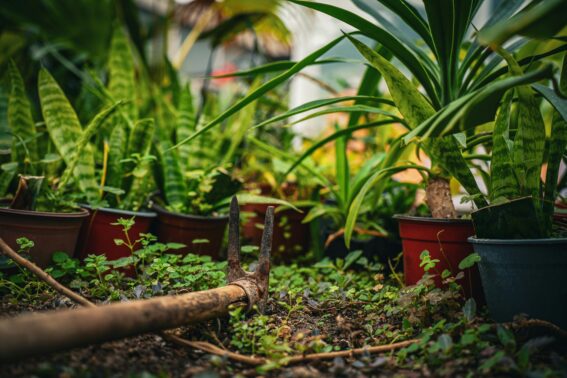
Step 4: Edge Garden Beds
Clean edges make your yard look professional.
How to Edge
- Use a shovel or edging tool
- Create clear lines between grass and beds
Why Edging Matters More Than You Think
Edging:
- Prevents grass from spreading into beds
- Makes mulching easier
- Gives your yard a clean, finished look
Even a simple edge can dramatically improve curb appeal.
Step 5: Prepare Soil
Healthy soil is key for planting success.
Steps
- Turn the soil
- Remove weeds
- Add compost or organic matter
Improve Your Soil Quality
If you want better results this year, go a step further:
- Test your soil if possible
- Add nutrients based on what’s missing
- Break up compacted areas thoroughly
Good soil leads to stronger plants, better blooms, and higher yields if you’re growing vegetables.
Step 6: Inspect Hardscaping
Check for winter damage:
- Cracks in concrete
- Loose pavers
- Uneven walkways
Fixing these early prevents bigger problems.
Why This Step Is Often Overlooked
Many homeowners focus only on plants, but damaged hardscaping can:
- Become a safety hazard
- Worsen over time
- Affect drainage around your yard
Taking care of it now saves money and effort later.
Step 7: Apply Mulch
Mulch helps:
- Retain moisture
- Reduce weeds
- Improve soil quality
Apply once soil warms up.
Mulching Tips
- Apply 2–3 inches of mulch
- Keep it away from plant stems
- Use organic mulch for added soil benefits
Fresh mulch also gives your yard a clean, polished look instantly.

Step 8: Check Irrigation Systems
If you have sprinklers:
- Test for leaks
- Adjust spray direction
- Ensure even coverage
Manual Watering Check
Even if you don’t have a system:
- Inspect hoses for leaks
- Check water pressure
- Make sure all areas of your yard can be reached easily
Proper watering is key once planting begins.
Step 9: Plan Your Garden
Before planting:
- Choose plants suited to your yard
- Consider sunlight and spacing
- Sketch your layout
Plan Smarter, Not Harder
Take time to think about:
- Which areas get full sun vs shade
- How big plants will grow over time
- How much maintenance each plant needs
A good plan prevents overcrowding and reduces future work.
Bonus Step: Control Early Weeds
April is the perfect time to get ahead of weeds.
What to Do
- Pull weeds before they spread
- Apply mulch to block growth
- Consider natural weed prevention methods
Catching weeds early saves you hours of work later in the season.
Bonus Step: Fertilize Carefully
While not always necessary right away, light fertilizing can help.
Tips
- Use slow-release fertilizer
- Avoid over-applying
- Focus on areas that need extra support
Too much fertilizer too early can do more harm than good.
FAQs About Spring Yard Cleanup
When should I start cleanup?
Early to mid-April, depending on weather and ground conditions.
Can I plant right after cleanup?
Yes, once the soil is workable and not too wet.
How long does it take?
Usually a weekend for most homes, but larger yards may take longer.
Do I need to remove all leaves?
Most should be removed, but small amounts can be composted or used as mulch.
FAQs About Sunready Landscaping
Do they offer full yard cleanup?
Yes, including debris removal, pruning, edging, and lawn care.
Can they prepare my garden for planting?
Yes, they handle soil prep, mulching, and full garden bed preparation.
Do they offer maintenance plans?
Yes, ongoing seasonal services are available to keep your yard in top shape.
Why hire Sunready Landscaping instead of doing it yourself?
They save you time, ensure everything is done properly, and help prevent costly mistakes—especially after harsh Ontario winters.
April is an important month for all homeowners, gardeners and landscapers – it sets the tone for the entire season. However, for those who don’t want to do it themselves, remember – the professionals are here to help!